Colorado gets a lot of attention for skiing and mountains, but there’s way more going on here than you’d expect. We’re talking ghost towns, conspiracy theories at the airport, the world’s largest natural hot springs pool, and a festival celebrating a frozen dead guy. Yeah, really.
This isn’t your typical list of “Colorado is beautiful” facts. These are the weird, surprising, and legitimately interesting things about the state that most visitors don’t know about. Some will make you want to visit immediately, others will make you go “wait, what?”
Here are 30+ fun and interesting facts about Colorado that go beyond the typical tourist brochure stuff.

1. Blucifer at Denver Airport Actually Killed Its Creator
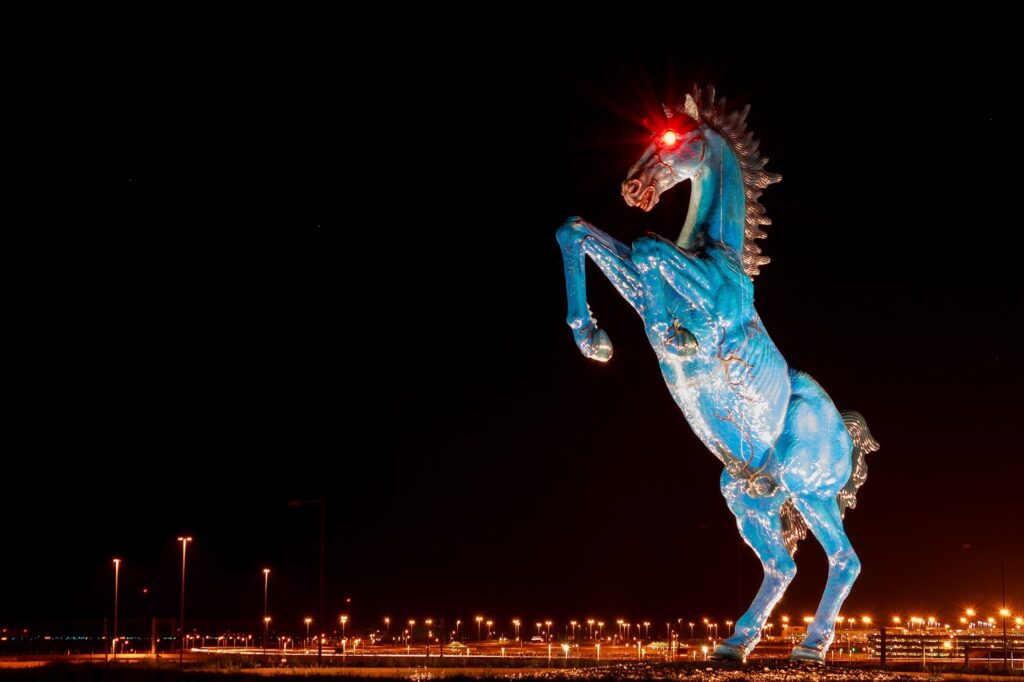
When you leave Denver Airport, you can’t miss Blucifer—a massive 32-foot blue mustang with glowing red eyes that looks like it escaped from a nightmare. The sculpture is officially called “Blue Mustang” but everyone calls it Blucifer because it’s terrifying.
Here’s the dark part: the artist Luis Jiménez died while creating it. A section of the sculpture fell on him in 2006, severing an artery in his leg. His family and friends finished the installation in 2008. So yes, Blucifer literally killed its creator, which is why the conspiracy theories about this statue being cursed absolutely refuse to die.
Source: Flickr
2. You Can Actually Live at Denver Airport
Location: 8300 Peña Blvd, Denver, CO 80249
Phone: (303) 317-9000
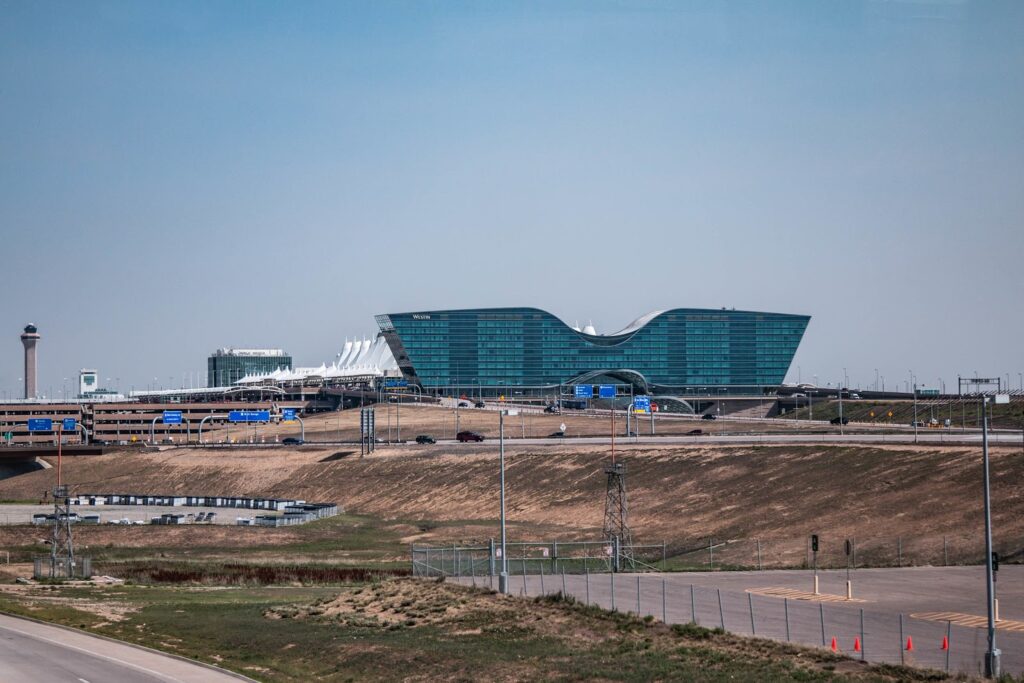
The Westin Denver International Airport Hotel isn’t just connected to the airport—it’s literally built into the terminal. The architecture mimics the airport’s iconic tent-like roof design, making it look like a bird’s wing. Locals with early flights often drive in the night before and crash here instead of waking up at 3 a.m.
You can walk straight from your hotel room to security without ever going outside. It’s weirdly convenient for layovers or if you just want to pretend you live in an airport. Some business travelers basically do.
Source: Flickr
3. $10 Train Ride from Airport to Downtown
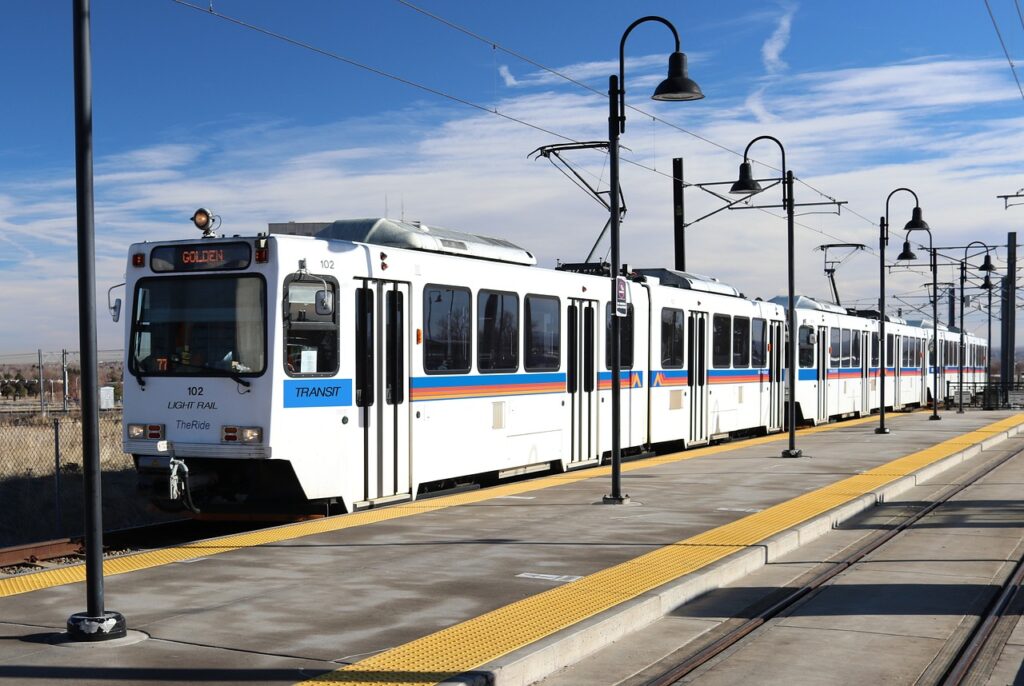
Denver Airport has two train systems. One runs between terminals inside the airport. The other is way better—it’s the A Line light rail that goes straight from the airport to Union Station downtown for $10.50. Takes about 40 minutes and drops you right in the heart of the city.
Most visitors don’t realize how easy this is. No traffic, no surge pricing, no dealing with rental car returns. Just hop on the train and you’re downtown. Way better than paying $60+ for an Uber.
Source: Flickr
4. Denver Airport’s Underground Tunnels and Conspiracy Theories
Denver International Airport has a sealed time capsule beneath a capstone containing a baseball and former Mayor Wellington Webb’s sneakers. But that’s not what people talk about. Rumors persist about extensive underground tunnels, secret bunkers, connections to the Illuminati, and even extraterrestrial activity.
The airport has leaned into the conspiracy theories with tongue-in-cheek marketing. There ARE actual tunnels—they’re for the automated baggage system and utilities. But the internet prefers to believe they’re for something more sinister. The weird murals and Masonic symbols throughout the airport don’t help dispel the theories.

5. Former Chemical Weapons Site Is Now a Wildlife Refuge
Location: 6550 Gateway Rd, Commerce City, CO 80022
Phone: (303) 289-1238
The Rocky Mountain Arsenal National Wildlife Refuge is a 15,000-acre nature haven just outside Denver. It’s beautiful, peaceful, and home to bison, deer, bald eagles, and over 330 species of wildlife. Families love visiting here.
Here’s the twist: this was a chemical weapons manufacturing site during World War II and the Cold War. The U.S. Army made incendiary munitions, white phosphorus, napalm, and nerve gas here. After massive cleanup efforts, nature reclaimed it. It’s a remarkable transformation from one of the most contaminated sites in America to a thriving ecosystem.

Source: Facebook
6. Over 1,500 Ghost Towns from the Mining Era
Colorado has over 1,500 ghost towns scattered across the state, remnants of the gold and silver mining boom. Some are preserved and accessible like St. Elmo (one of the best-preserved) and Central City (which reinvented itself with casinos). Others are just ruins in remote locations.
These towns boomed fast and died faster when the mines played out. Entire communities abandoned overnight. You can still explore many of them, walking through old saloons, general stores, and homes frozen in time. It’s like visiting the actual Wild West without the time machine.
7. World’s Largest Natural Hot Springs Pool
Location: 401 N River St, Glenwood Springs, CO 81601
Phone: (970) 947-1621
Glenwood Springs has the world’s largest natural hot springs pool. It’s been operating since 1888 and the main pool is massive—405 feet long, 100 feet wide, holding over 1 million gallons of mineral-rich water heated naturally by underground geothermal activity.
The water stays between 90-93°F year-round. People swim here in winter with snow falling around them. The smaller therapy pool hits 104°F. It’s a genuinely cool experience and way less touristy than you’d expect for something claiming to be “world’s largest.”

8. The Stanley Hotel Inspired “The Shining”
Location: 333 E Wonderview Ave, Estes Park, CO 80517
Phone: (970) 577-1903
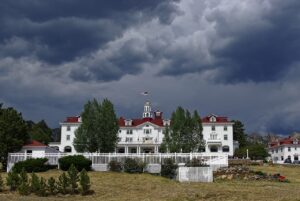
The Stanley Hotel in Estes Park inspired Stephen King to write “The Shining” after he stayed in Room 217 in 1974. The hotel has embraced its haunted reputation and now offers ghost tours year-round. Room 217 is the most requested room despite—or because of—its reputation.
Room 401 is considered even more haunted. Guests report unexplained noises, children’s laughter echoing in empty hallways, and piano music from the empty ballroom. Ghost hunters love this place. Whether you believe in ghosts or not, the hotel’s eerie atmosphere and stunning mountain location make it worth a visit.

9. One Man Built an Entire Castle by Himself
Location: 12705 CO-165, Rye, CO 81069
Phone: (719) 485-6098
Jim Bishop started building Bishop Castle in 1969 at age 25. His plan was a simple one-room stone cottage in the mountains. Fifty-five years later, he’s still building and it’s now a massive stone and iron fortress with towers, walkways, and a dragon head that breathes fire.
He built everything himself using free rocks from the surrounding area and salvaged materials. No construction crew, no blueprints, no permits. It’s completely free to visit. Jim is usually there and will talk your ear off about building codes and government regulations. The castle is impressive and slightly insane.

Source: Facebook
10. Red Rocks Amphitheatre Has Perfect Natural Acoustics
Location: 18300 W Alameda Pkwy, Morrison, CO 80465
Phone: (720) 865-1111
Red Rocks Amphitheatre near Morrison is built into a natural rock formation. The two 300-foot tall red sandstone monoliths create perfect acoustics without any artificial sound systems. Musicians say it’s one of the best-sounding venues in the world. The Beatles played here. So did U2, Radiohead, and basically every major act.
Admission to the park and amphitheatre is free when there’s no show. People work out here in the morning, running the stairs and paths. The venue holds about 9,500 people for concerts. Getting tickets is competitive but the experience is incredible—watching a show with Denver’s city lights below and stars above.

11. The Cheeseburger Was Invented in Denver
A granite monument in Denver marks where the Humpty Dumpty Barrel restaurant once stood—Colorado’s first drive-in and the alleged birthplace of the cheeseburger. Louis Ballast claimed he invented it in the 1930s by slapping cheese on a hamburger patty.
Multiple places claim to have invented the cheeseburger, but Denver’s claim is solid enough to get a historical marker. The monument was dedicated in 1987. Whether Denver actually invented it or just perfected it, the city takes its cheeseburger heritage seriously.

12. Largest Flat-Top Mountain in the World
Grand Mesa is the world’s largest flat-top mountain, spanning over 500 square miles. Unlike typical pointy mountains, the top is surprisingly flat—more like an elevated plateau than a mountain summit. It sits at over 10,000 feet elevation with over 300 lakes dotting the landscape.
The mesa formed from volcanic activity and erosion over millions of years. The flat top makes it accessible and great for fishing, camping, and hiking without the technical climbing skills needed for peaks. In winter, Powderhorn ski resort operates on the mesa’s slopes.

13. Denver Airport Is Larger Than Manhattan
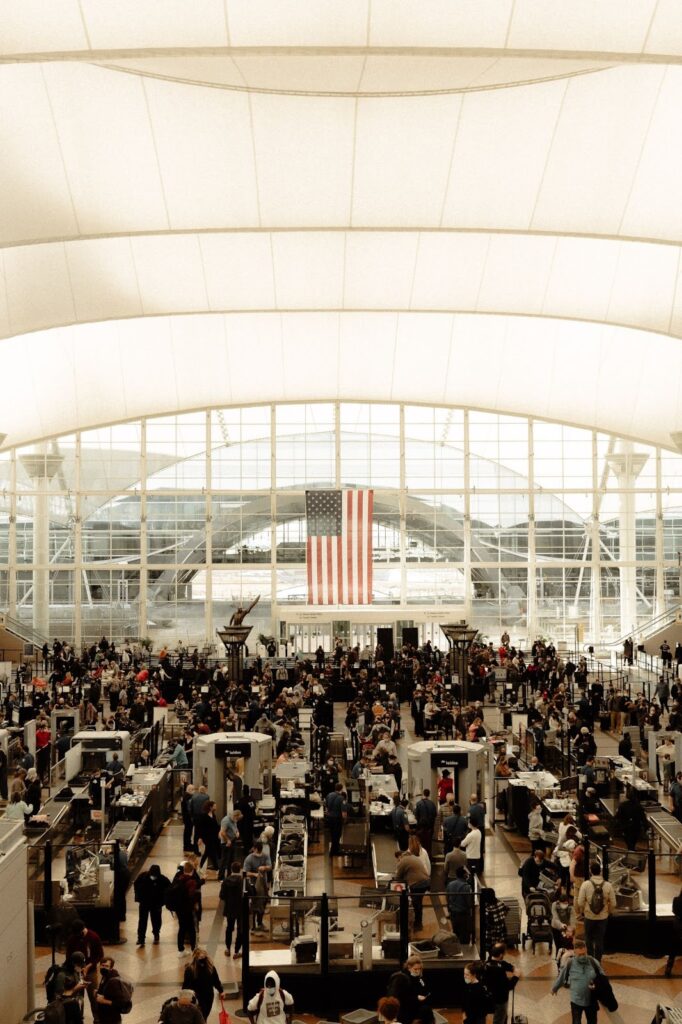
Denver International Airport spans 33,531 acres, making it the largest airport by land area in the United States. For context, that’s bigger than Manhattan, twice the size of Miami, and larger than the city boundaries of Boston, San Francisco, or Miami.
The airport is so massive that it has its own zip code and employs over 35,000 people. The main terminal building alone is the largest in North America at 1.5 million square feet. Despite its size, it’s consistently rated one of the best airports in the country for passenger experience.
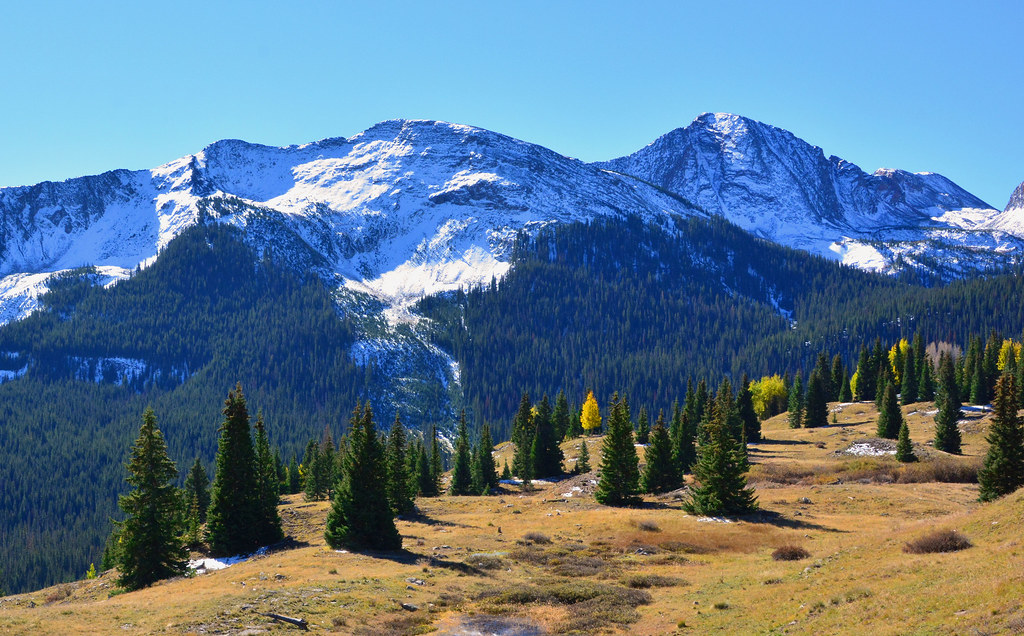
14. Colorado Has 58 Mountains Over 14,000 Feet
Colorado has 58 peaks above 14,000 feet—more than any other U.S. state. These “14ers” range from beginner-friendly hikes like Mount Bierstadt and Quandary Peak to technical climbs requiring ropes and mountaineering skills. Climbing all 58 is a popular bucket list challenge for Colorado hikers.
Mount Elbert is the highest at 14,440 feet—also the second-highest peak in the lower 48 states. The altitude hits different if you’re not acclimated. What feels like an easy hike at sea level will destroy you at 14,000 feet. Start with the easier ones and work your way up.
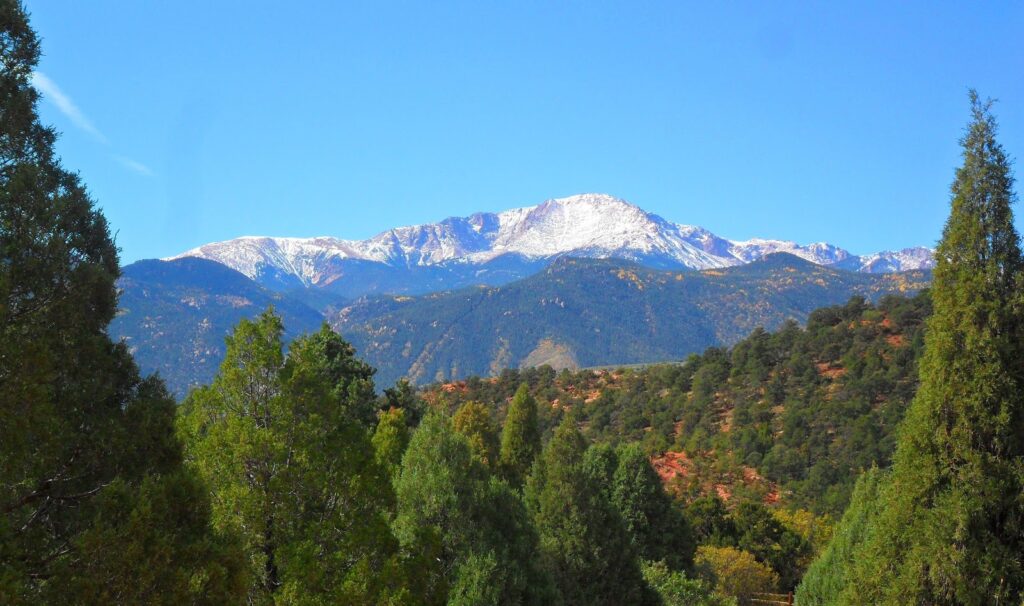
15. Pikes Peak Inspired “America the Beautiful”
Pikes Peak rises 14,115 feet and is called “America’s Mountain.” The view from the summit inspired Katharine Lee Bates to write “America the Beautiful” in 1893. You don’t need climbing skills to reach the top—you can drive the Pikes Peak Highway or take the cog railway.
The annual Pikes Peak International Hill Climb is one of America’s oldest motorsports events. Race cars and motorcycles blast up 12.42 miles of mountain highway with 156 turns and zero guardrails in many sections. It’s terrifying to watch and completely insane to race.
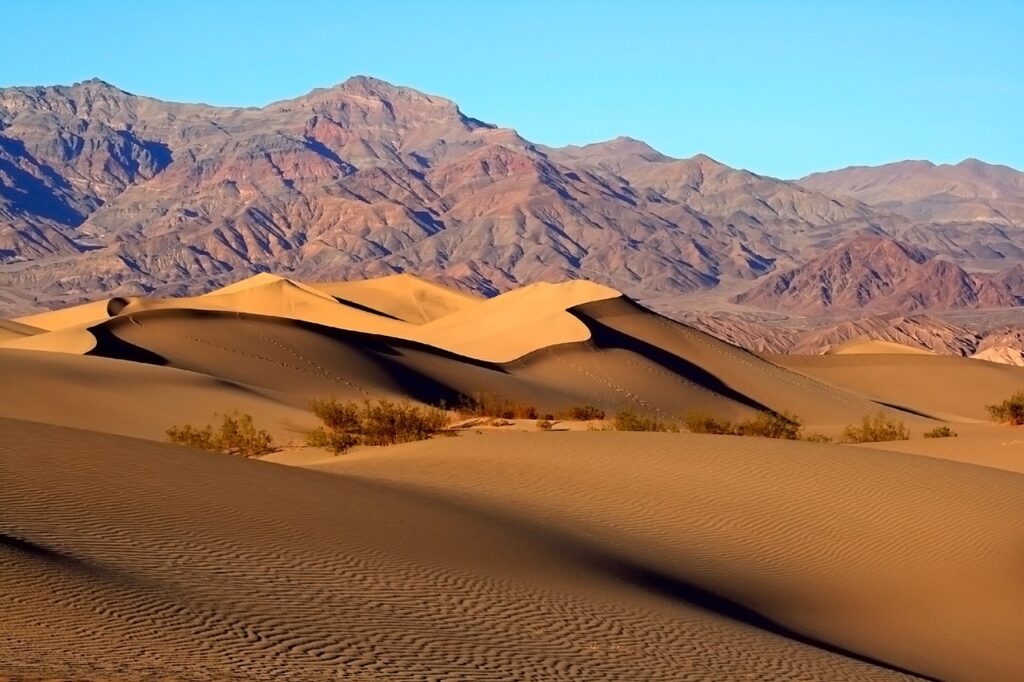
16. Tallest Sand Dunes in North America
Location: 11999 CO-150, Mosca, CO 81146
Phone: (719) 378-4000
Great Sand Dunes National Park has the tallest sand dunes in North America. Star Dune reaches about 750 feet high. The dunes exist because sand from the San Luis Valley gets trapped against the Sangre de Cristo Mountains, creating this bizarre desert landscape in the middle of Colorado.
You can hike, sandboard, or sled down the dunes. Spring brings Medano Creek at the base—a shallow, wide stream perfect for playing in. The dunes are constantly shifting and growing. Watching sunset here is surreal—massive sand dunes with snow-capped mountains in the background.
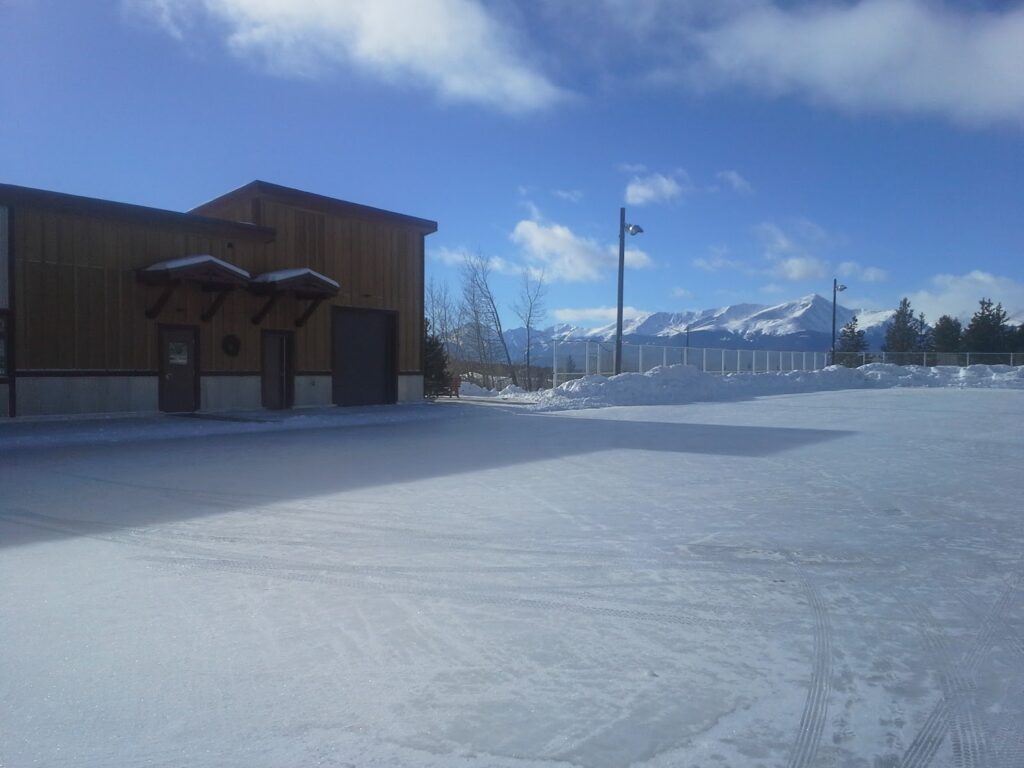
17. Highest Incorporated City in the United States
Leadville sits at 10,152 feet elevation, making it the highest incorporated city in the United States. The altitude is no joke—visitors often feel winded just walking around town. Locals are used to it but newcomers struggle initially.
Leadville was a major silver mining town that boomed in the late 1800s. Doc Holliday lived here, and the Tabor Opera House hosted famous performers. The town survived after the mines closed and now thrives on tourism, outdoor recreation, and history. The Leadville Trail 100 ultra-marathon is legendary among endurance runners.
Source: Facebook
18. Walk Alongside Real Dinosaur Footprints
Location: 16831 W Alameda Pkwy, Morrison, CO 80465
Phone: (303) 697-4435
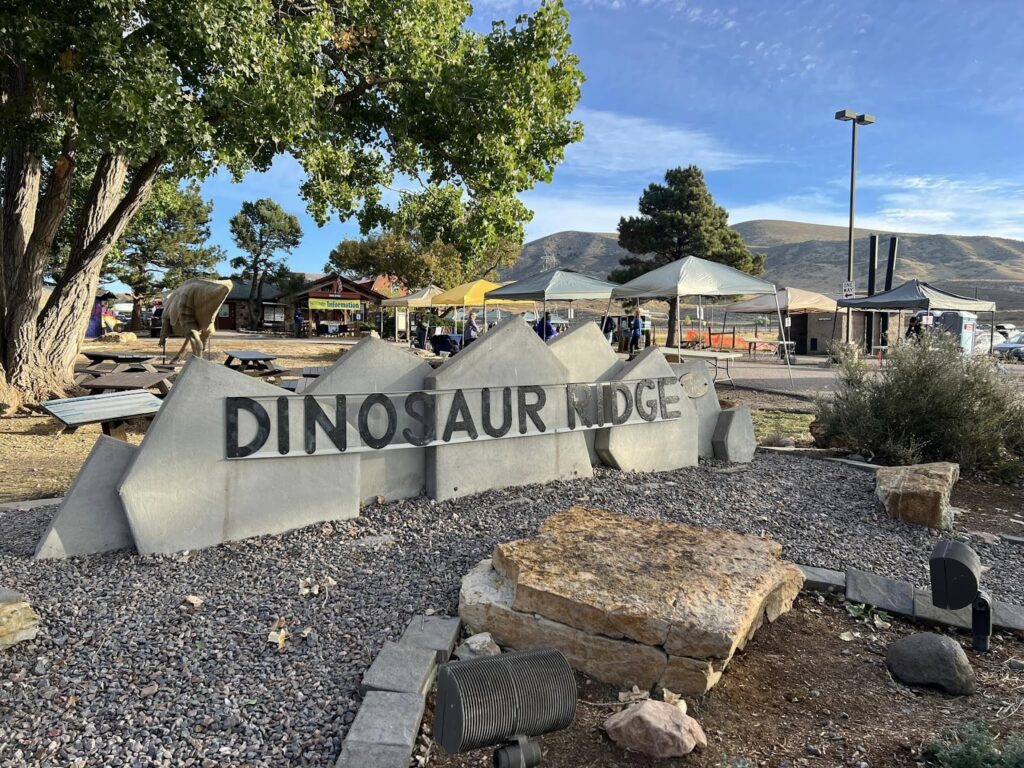
Dinosaur Ridge near Morrison lets you walk alongside massive dinosaur footprints left over 100 million years ago. These aren’t replicas—they’re actual fossilized tracks from dinosaurs that walked here during the Jurassic and Cretaceous periods. You can see and touch them.
The site includes over 300 dinosaur footprints and fossils embedded in the rock layers. It’s a national natural landmark and completely accessible via a paved trail. Free to visit, though donations help with maintenance. Way more impressive than it sounds—seeing actual dinosaur tracks in the wild hits different than museum displays.
Source: Facebook
19. Largest Cliff Dwelling in North America
Location: Mesa Verde National Park, CO 81330
Phone: (970) 529-4465
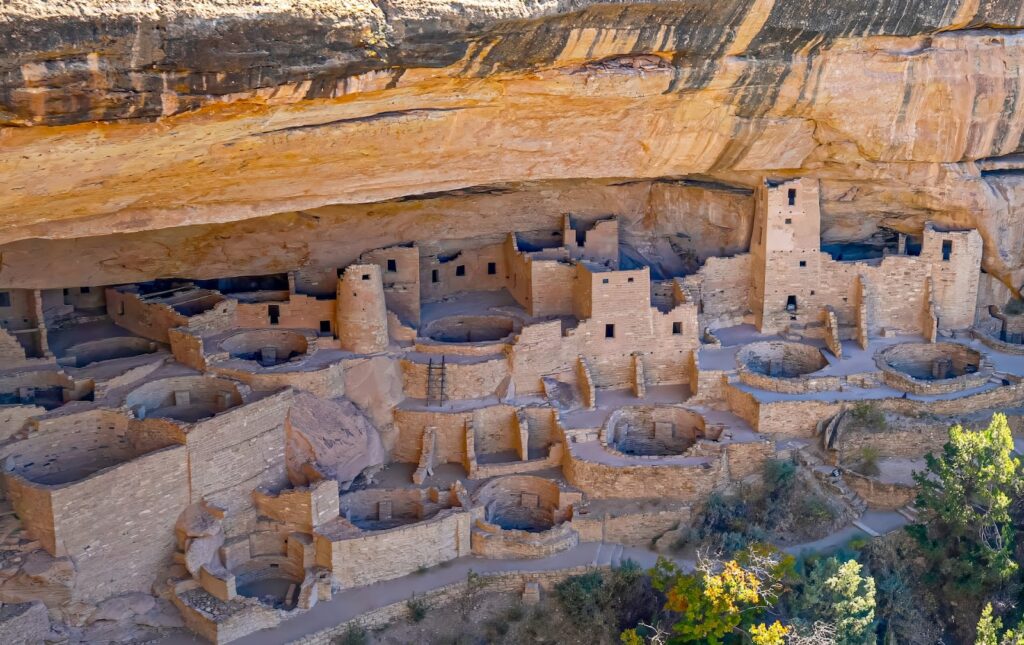
Mesa Verde National Park contains Cliff Palace, the largest cliff dwelling in North America. Built by Ancestral Puebloans around 1190 AD, it has over 150 rooms and 23 kivas (ceremonial structures) built directly into the cliff face. They abandoned it around 1300 AD for reasons still debated by archaeologists.
You can only access Cliff Palace through ranger-guided tours involving ladders and crawling through tight spaces. The construction skill required to build this 700+ years ago without modern tools is mind-blowing. The preservation is remarkable given its age and exposure to elements.
20. Two Different “Mile High” Markers in Denver
Location: Colorado State Capitol, 200 E Colfax Ave, Denver, CO 80203
Phone: (303) 866-2604
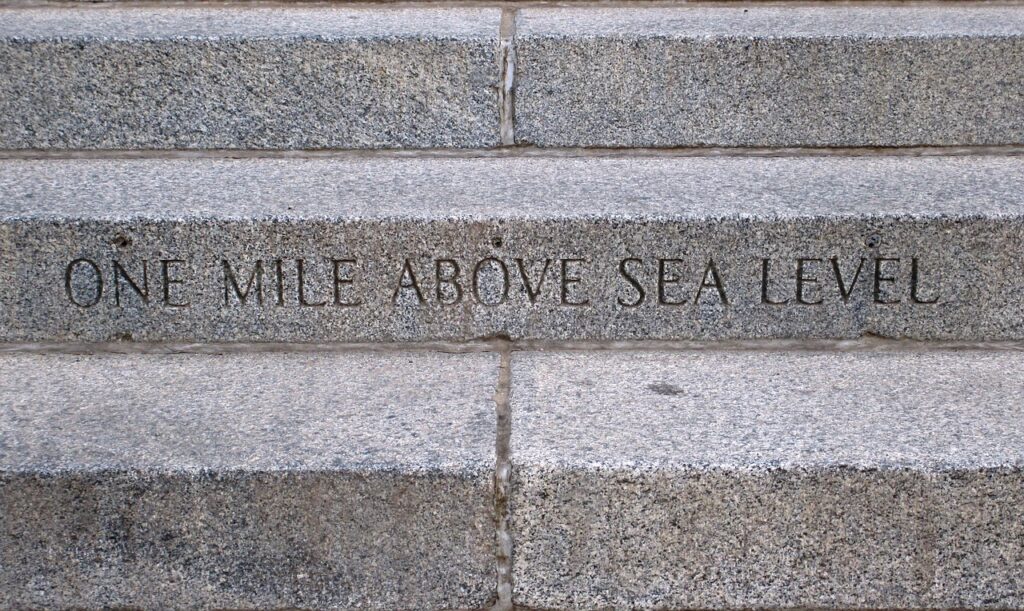
You can stand exactly one mile above sea level (5,280 feet) at two spots in Denver. First, the 13th step of the Colorado State Capitol building. There’s a brass marker showing 5,280 feet. Second, a specific row of seats at Empower Field at Mile High (Broncos stadium) marks the exact elevation.
The Capitol step is actually the third marker they’ve placed. The first was off by a few feet. Modern GPS found the exact spot, so they moved the marker twice to get it right. Tourists love taking photos on the step. It’s free and right downtown.
21. Rocky Mountain Oysters Are Bull Testicles
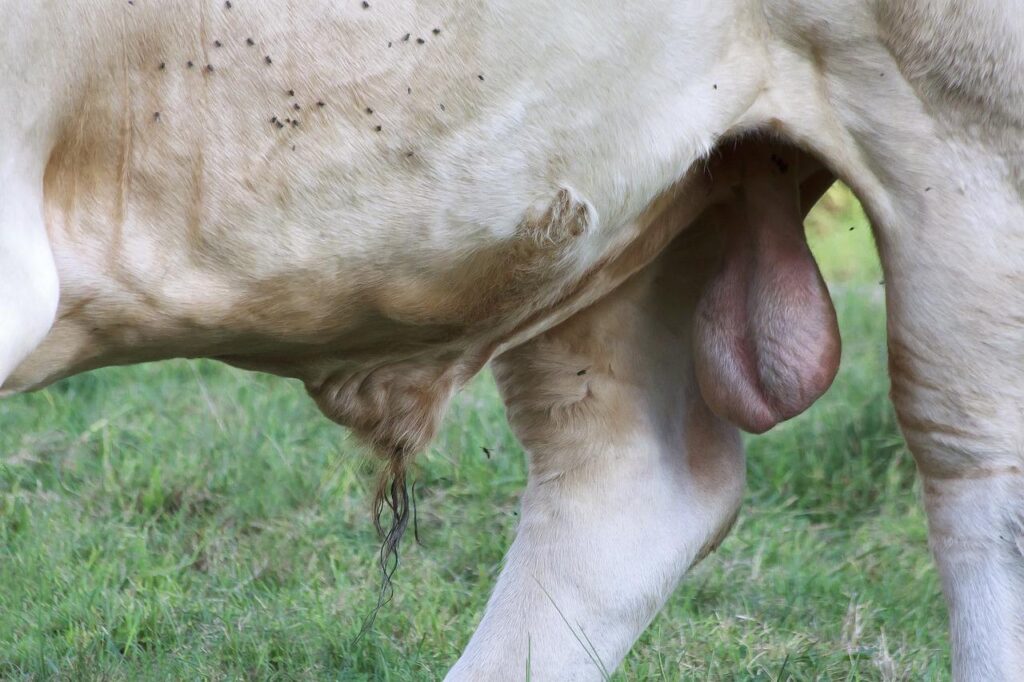
Rocky Mountain Oysters aren’t seafood. They’re bull calf testicles, deep-fried and served as a Colorado delicacy. Steakhouses and Western-themed restaurants serve them as appetizers, usually with cocktail sauce. The preparation involves peeling, coating in flour, seasoning, and frying until crispy.
The name is intentionally misleading. If you order them thinking you’re getting actual oysters, surprise! They taste like fried meat—not fishy at all. Some people swear by them, others try them once for the story. Colorado takes its unusual food traditions seriously.
22. UFO Watchtower in the Middle of Nowhere
Location: 2502 CO-17, Hooper, CO 81136
Phone: (719) 737-8046
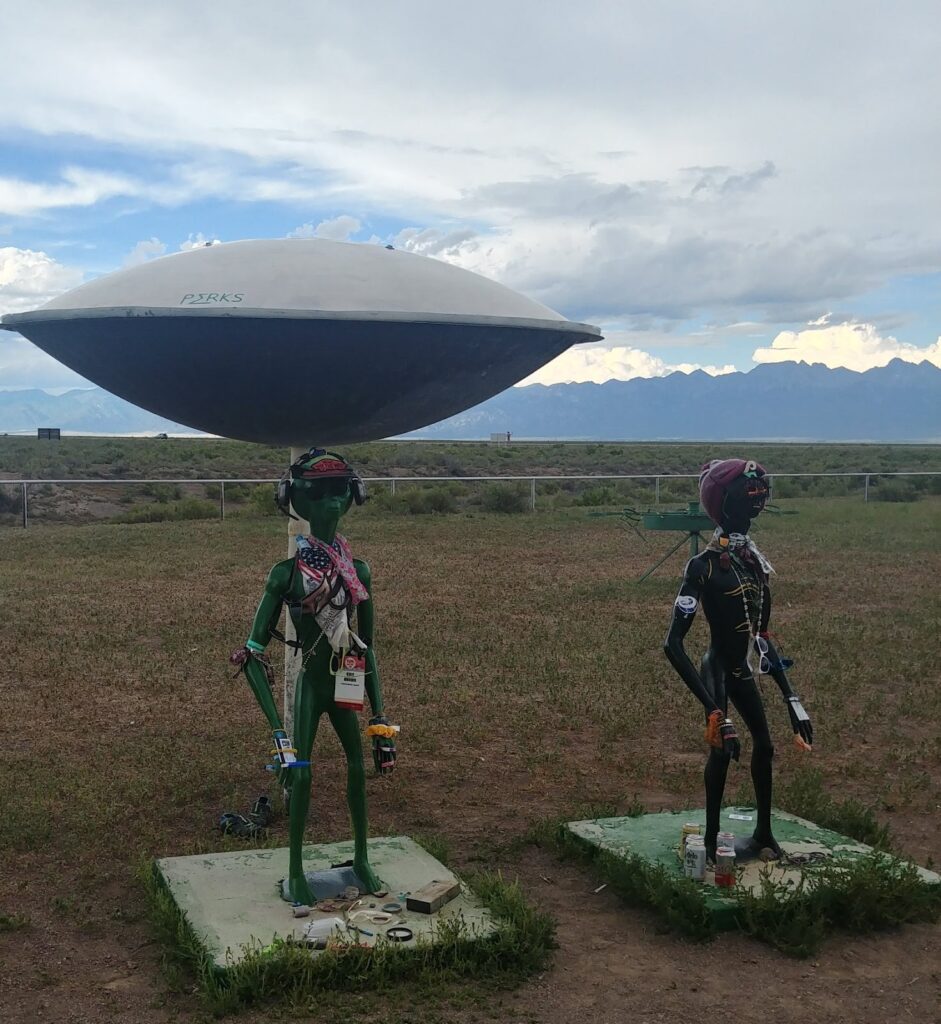
The UFO Watchtower sits in the San Luis Valley—an area famous for unexplained sightings and weird phenomena. It’s exactly what it sounds like: a platform built specifically for spotting UFOs. The owner keeps a log of sightings reported by visitors. Whether you believe or not, the stargazing is incredible.
The valley has a long history of UFO reports, cattle mutilations, and strange lights. The isolation and dark skies make it perfect for sky watching. The watchtower also has a “healing garden” where visitors report bizarre experiences and leave offerings. It’s wonderfully weird.
Source: Facebook
23. Old Airport Control Tower Is Now a Community Space
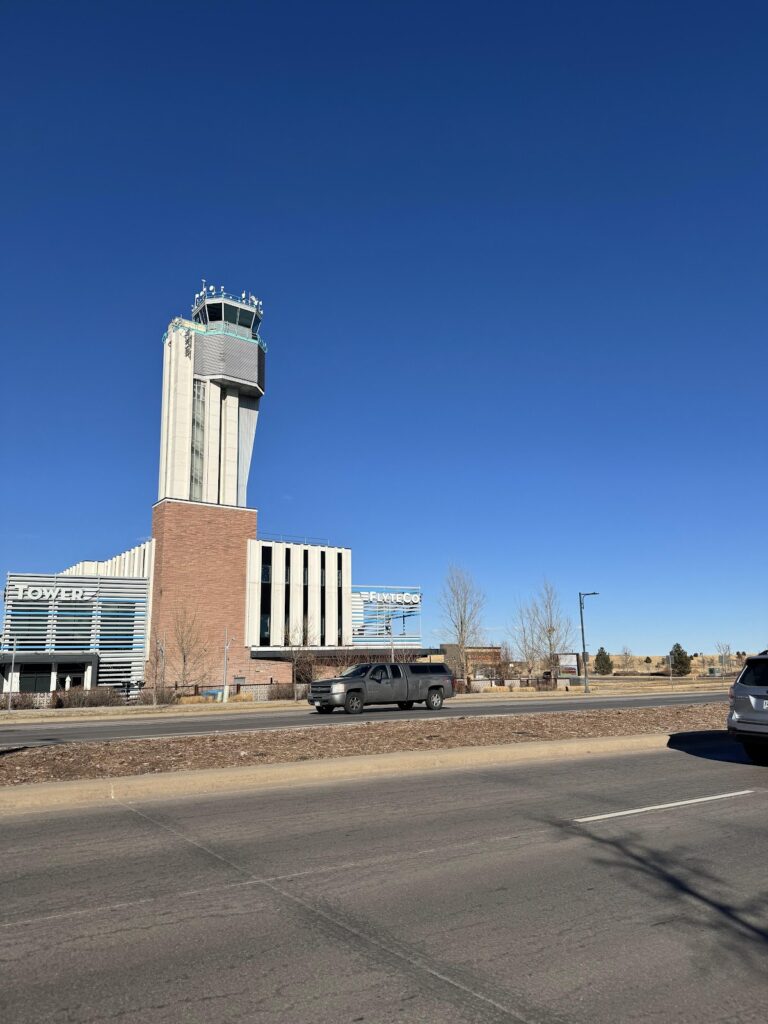
The control tower in Central Park (formerly Stapleton) looks like it belongs to an airport, but it’s not functional. It’s the original control tower from Stapleton International Airport, which closed in 1995 when Denver International Airport opened. Instead of demolishing it, they preserved it as a landmark.
Now it hosts community events, gatherings, and serves as a reminder of the area’s aviation history. The neighborhood was built on the old airport grounds, and developers kept the tower as a unique architectural feature. You can’t go up in it, but it’s a cool photo spot.
24. Denver’s Weather Is Genuinely Unpredictable
Denver weather is famously chaotic. Sunny morning, afternoon snowstorm. 70°F one day, blizzard the next. This isn’t exaggeration—it actually happens. The city gets over 300 days of sunshine annually but can also get dumped on by surprise spring snowstorms that shut down the city.
The weather changes so fast because Denver sits where the Great Plains meet the Rocky Mountains. Weather systems collide here. Bring layers always. Locals keep winter gear in their cars year-round because you never know. The saying “if you don’t like the weather, wait five minutes” exists for a reason.
25. Festival Celebrating a Frozen Dead Guy
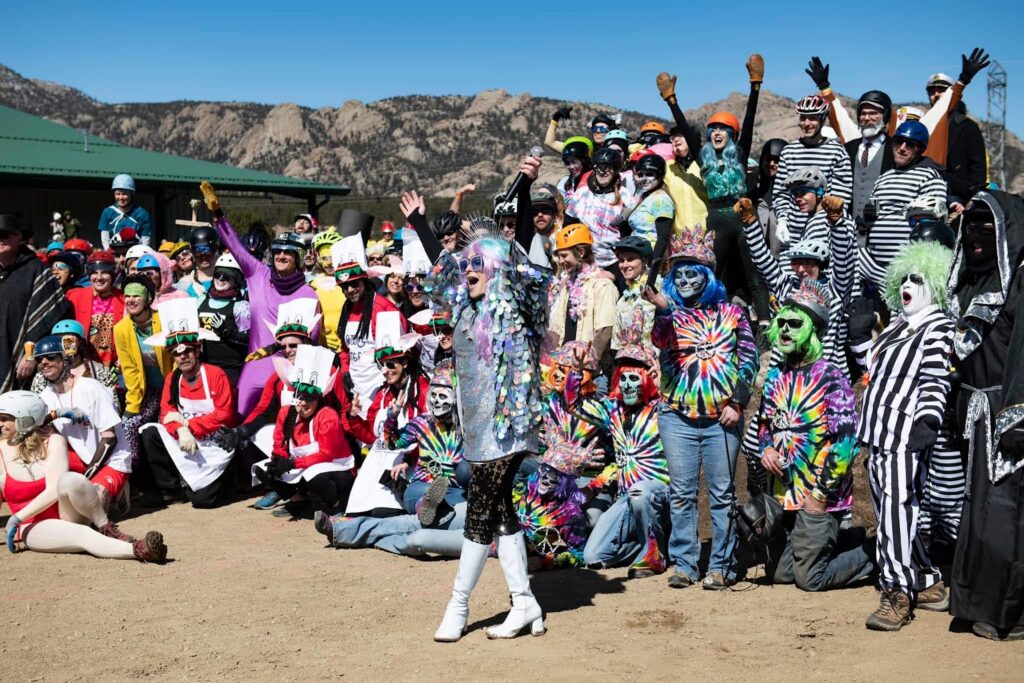
Frozen Dead Guy Days is an annual festival in Nederland celebrating Bredo Morstoel, whose body has been cryogenically frozen in a Tuff Shed on dry ice since 1993. Yes, really. The festival includes coffin races, frozen salmon tossing, polar plunging, and a parade. It’s gloriously weird.
Grandpa Bredo (as he’s known) was brought to Colorado by his grandson who hoped to start a cryonics facility. That didn’t work out, but the body stayed. When authorities found out, the town changed laws to prevent future frozen bodies—but grandfathered in Bredo. So he’s still there, frozen, inspiring an annual party.
Source: Facebook
26. 40-Foot Blue Bear Peeking Into Convention Center
Location: Colorado Convention Center, 700 14th St, Denver, CO 80202
Phone: (303) 228-2000
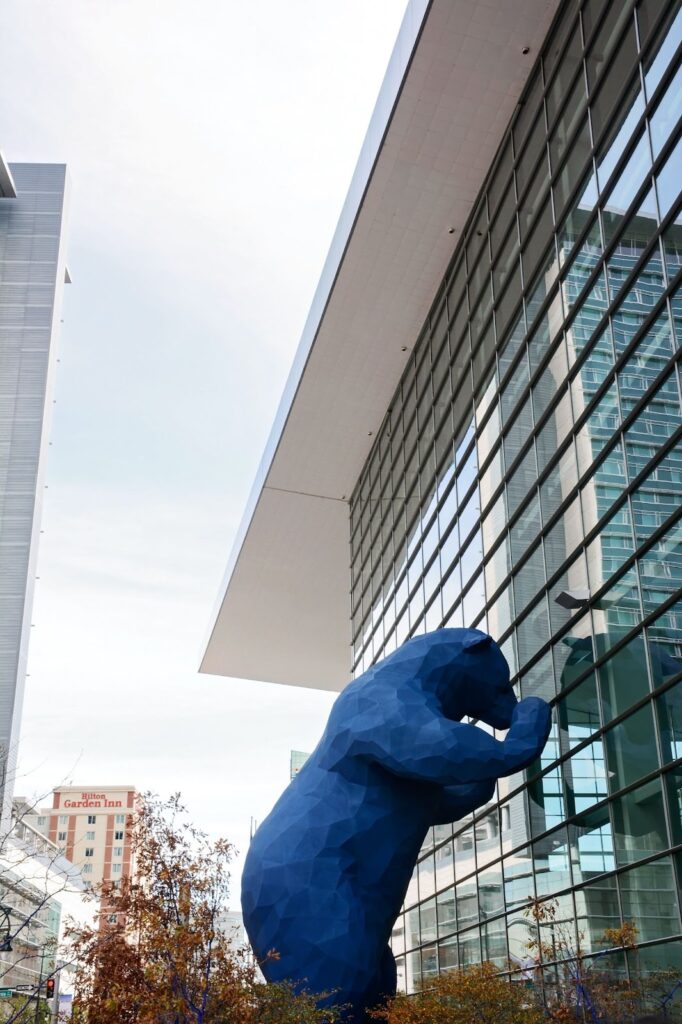
A massive 40-foot blue bear sculpture leans against the Colorado Convention Center, appearing to peer curiously inside. Officially titled “I See What You Mean,” everyone calls it Blue Bear. Created by artist Lawrence Argent, it’s become one of Denver’s most iconic and photographed landmarks.
The sculpture is surprisingly detailed up close—you can see the texture of the fur and the curious expression. It perfectly captures Denver’s playful, creative spirit while also being legitimately impressive as public art. Kids love it, adults love it, everyone takes photos with it.
27. Denver Is Surprisingly Flat (Despite the Mountains)
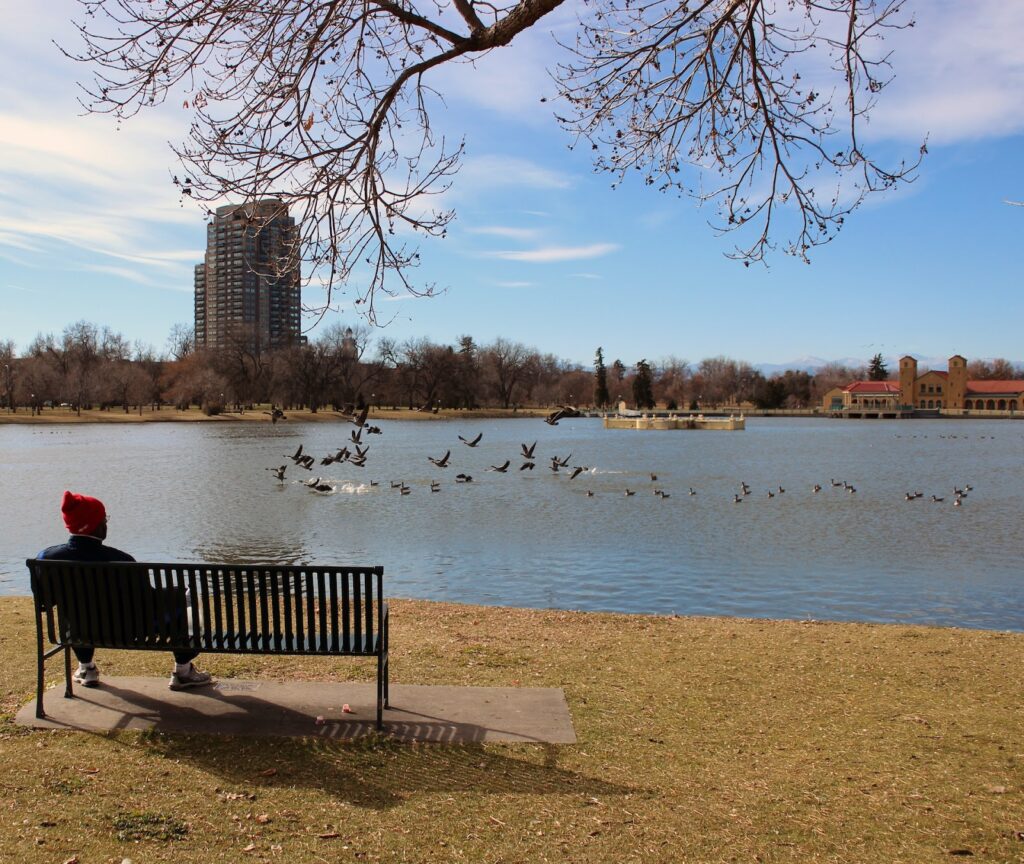
Denver is called the Mile-High City and sits at the base of the Rockies, but the city itself is surprisingly flat. The urban area sprawls across the plains with minimal elevation change. You get incredible mountain views without actually being in the mountains—they’re about 15 miles west.
The flat terrain makes Denver perfect for cycling and running. The city has extensive bike trails and paths throughout. You can cruise around easily without constant hills while still getting those dramatic mountain backdrops. It’s the best of both worlds.
28. Home to “Alcatraz of the Rockies”
ADX Florence in Florence, Colorado is the country’s only federal supermax prison. Called the “Alcatraz of the Rockies,” it houses the most dangerous criminals in the U.S. penal system. Inmates spend 23 hours a day in solitary confinement with minimal human contact. It’s designed to be virtually escape-proof.
Notorious inmates include the Unabomber, Boston Marathon bomber, Oklahoma City bombing conspirators, and numerous cartel leaders. The security measures are intense—think laser beams, pressure pads, cameras everywhere, and guards who never directly contact inmates. It’s as close to a real-life supervillain prison as exists.
29. Denver Gets Legitimate 100°F Days in Summer
Denver might be famous for snow, but summer regularly brings 100°F days. The combination of altitude and proximity to the plains creates intense heat in July and August. But here’s the twist: low humidity means it doesn’t feel as oppressive as 100°F in humid climates. Shade and evening cooling help.
The weather unpredictability remains though. You could have a 100°F day in July, then wake up to snow in September. Or vice versa. The best visiting months are June through October for warm weather, but pack for all possibilities. October snow isn’t rare.
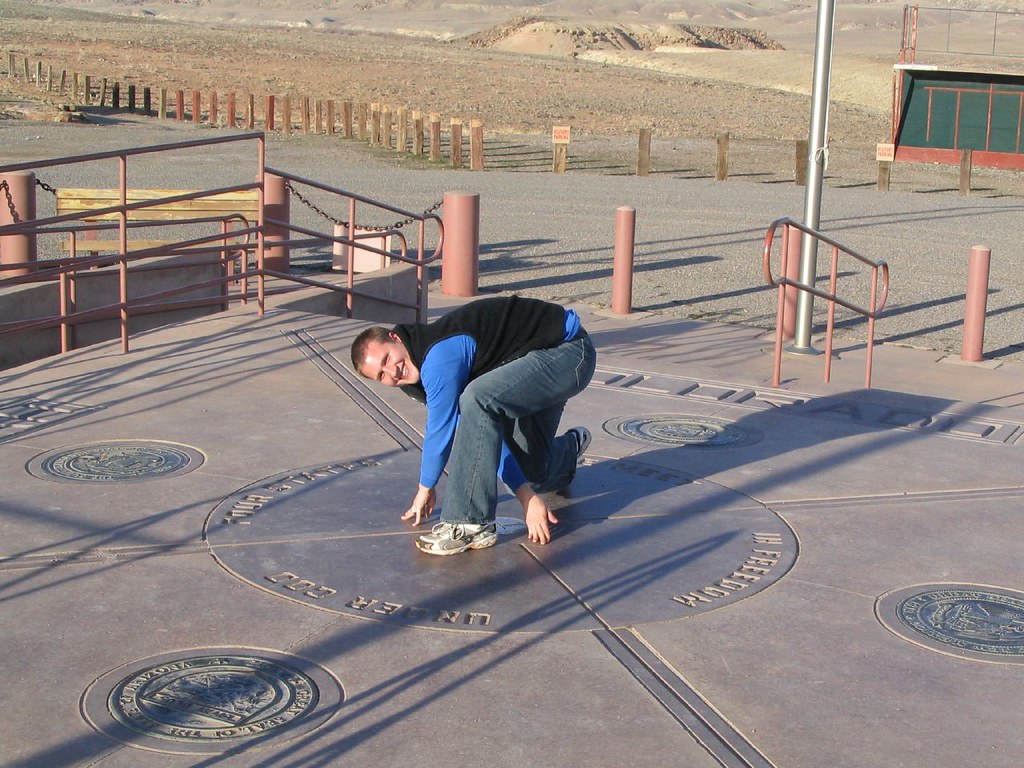
30. Stand in Four States at Once
Four Corners Monument in southwest Colorado is the only place in America where four states meet at one point. You can literally stand in Colorado, New Mexico, Arizona, and Utah simultaneously. It’s a Navajo Nation tribal park, and despite being in the middle of nowhere, it’s a popular tourist stop.
The monument itself is simple—a concrete pad with state seals and a brass disk marking the exact point. People take photos doing awkward poses trying to get all four states in frame. The surrounding area offers views of Monument Valley and Navajo culture. It’s worth the drive if you’re already in the region.
31. Downtown Denver Chaos
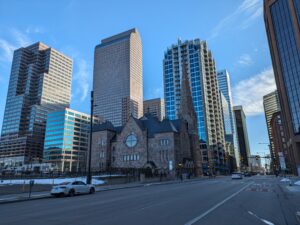
Navigating the streets of downtown Denver can be a bit of a challenge, both for pedestrians and drivers. Jaywalking is common in downtown Denver and can make driving there quite tricky.
The streets are bustling not just with pedestrians but also with bicyclists and scooter riders, many of whom tend to take liberties with traffic rules. It’s not rare to find drivers who seem to lack proper training in vehicle operation. They might forget to use blinkers or, in some cases, even run red lights.
32. Gaylord Rockies Sprawling Across 85 Acres
Location: 6700 N Gaylord Rockies Blvd, Aurora, CO 80019
Phone: (720) 864-2900
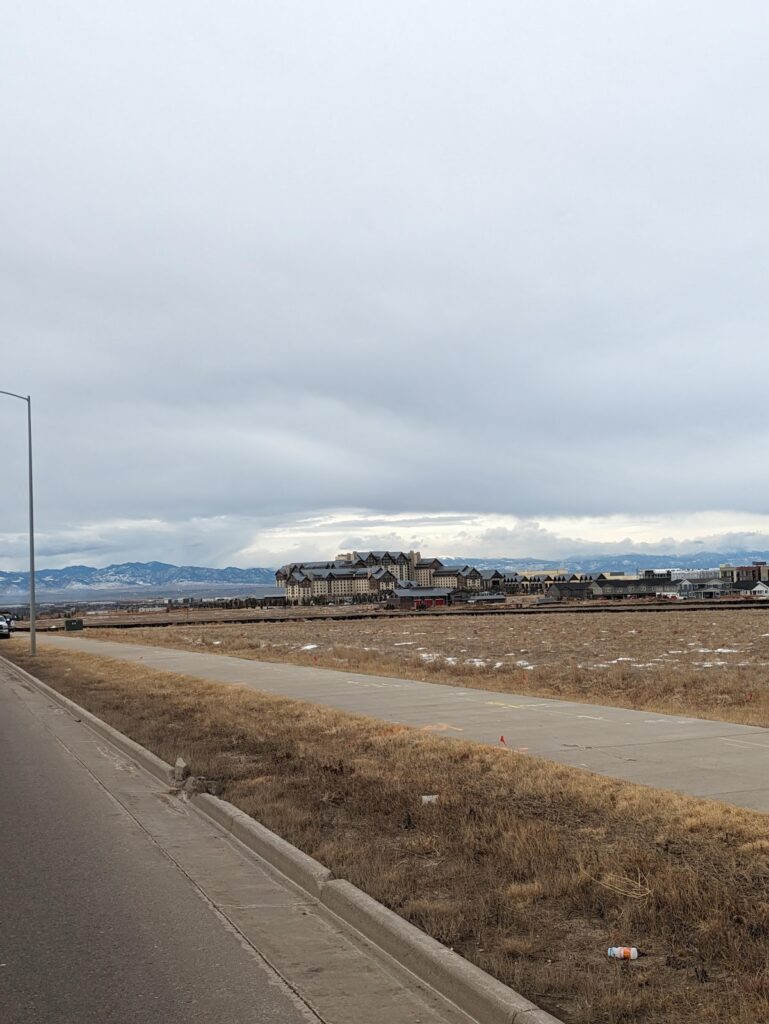
Located on the left-hand side when leaving Denver Airport, is the largest combined resort and convention center in Colorado. It opened in 2018 and can accommodate 1,500 guest rooms.
They have a heated pool, water slides, miniature golf, and tons of events all year long for the family, such as the hidden creature challenge and ice sculpture.
33. Meow Wolf Denver Includes a Cocktail Lounge
Location: 1338 1st St, Denver, CO 80204
Phone: (720) 226-8020
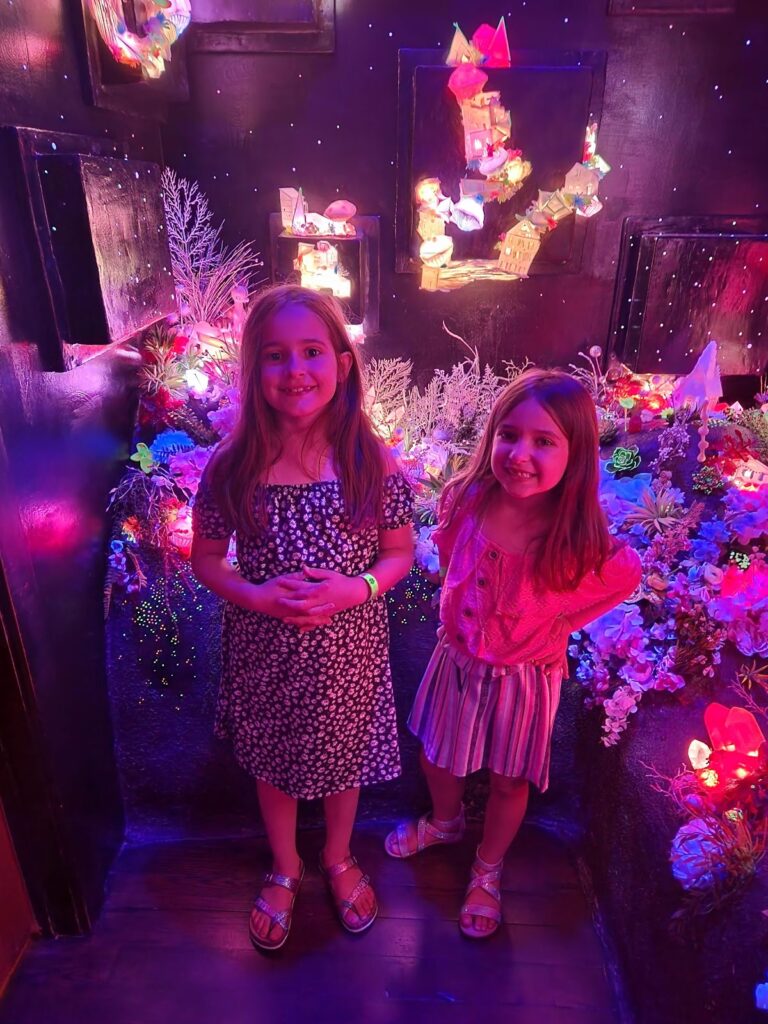
Located off Colfax and Federal, Meow Wolf presents a unique blend of art, storytelling, and interactive technology. I went there with my kids, and they had a blast. It’s not just an art exhibit, but also hosts a variety of events, workshops, and performances, ranging from live music to hands-on art classes.
One unique feature of the Denver location is that it includes a bar.
34. Casa Bonita Reopening
Location: 6715 W Colfax Ave, Lakewood, CO 80214
Phone: (303) 232-7115
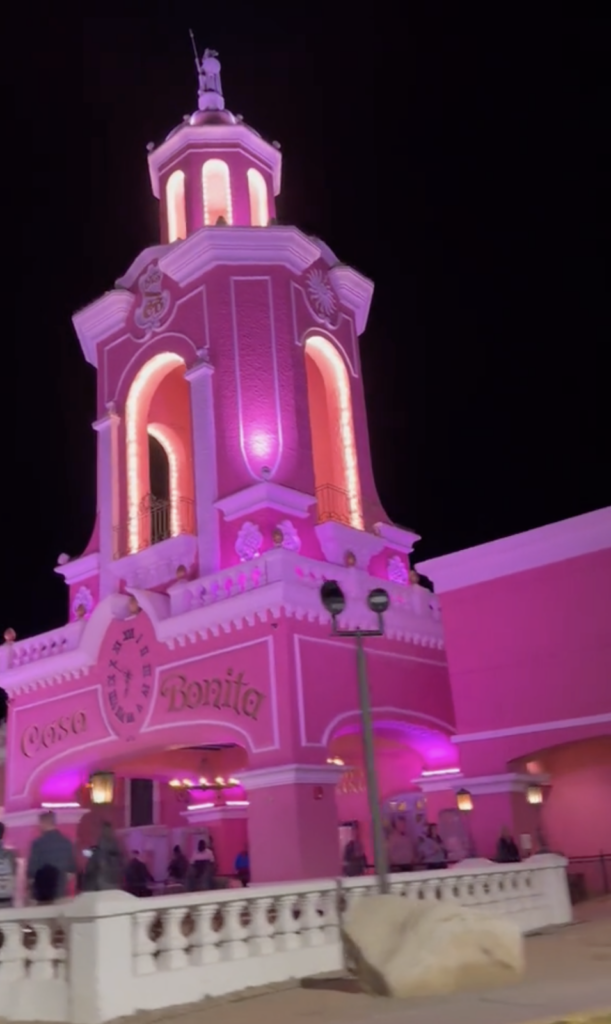
Casa Bonita, a beloved part of the city’s cultural landscape since 1974, reopened its doors in June 2023 after extensive renovations. The famous pink restaurant, known for its thematic rooms and cliff diving shows, owes its revival to none other than Trey Parker and Matt Stone, the creators of South Park!
Their purchase of Casa Bonita in September 2021 brought a wave of excitement to the community, and the much-anticipated reopening event was a joyous occasion for many Denverites.
35. Market and Walnut Are the Same Street
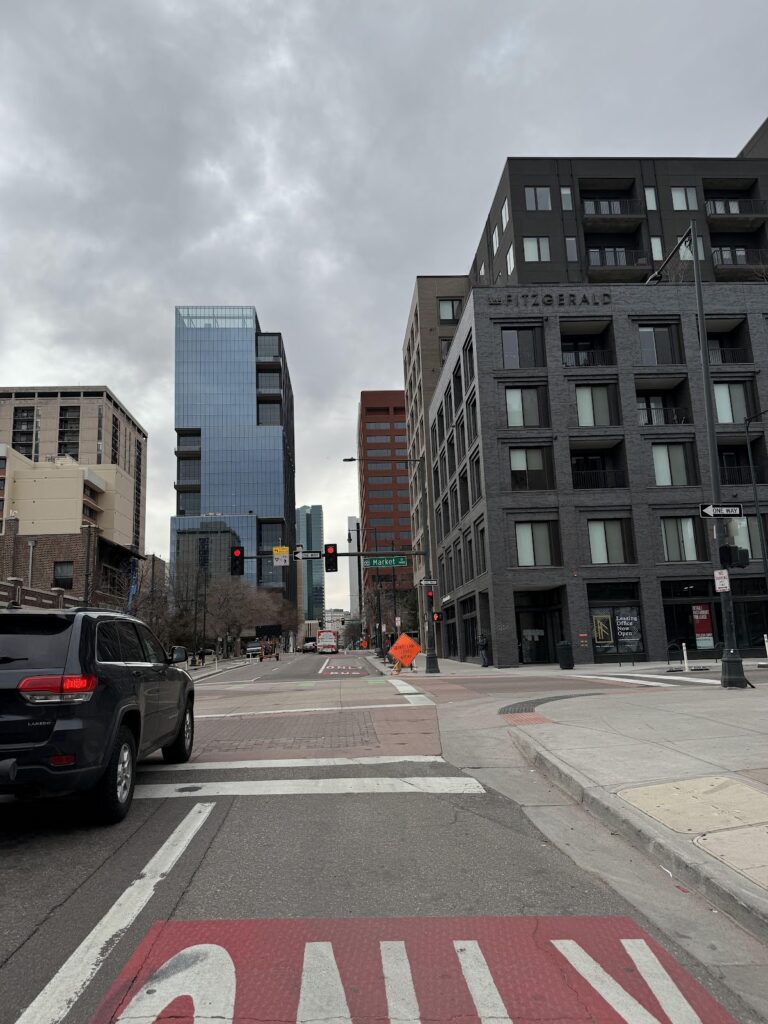
In Denver’s downtown area, Market Street and Walnut Street are actually the same street. Back in the days the whole street used to be called Market Street until businesses didn’t want any affiliation with Market Street.
Due to its associations with prostitution and brothel activities, they changed it to Walnut.
36. Denver Zoo Was Built Around One Bear
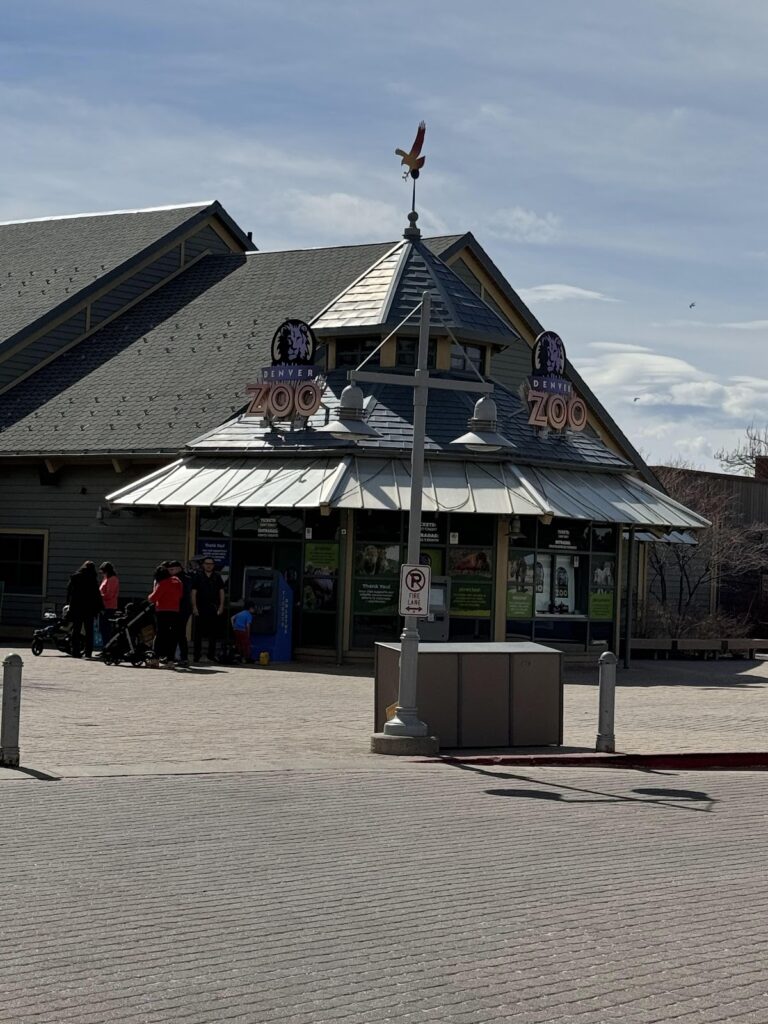
Location: 2300 Steele St, Denver, CO 80205
Phone: (720) 337-3100
In 1896, the mayor of Denver received a black bear named Billy Bryan. The city placed the bear in a cage, where the public started to show up to view it. This is what got the Denver Zoo all started.
37. Colfax Avenue Is the Longest Commercial Street in the US
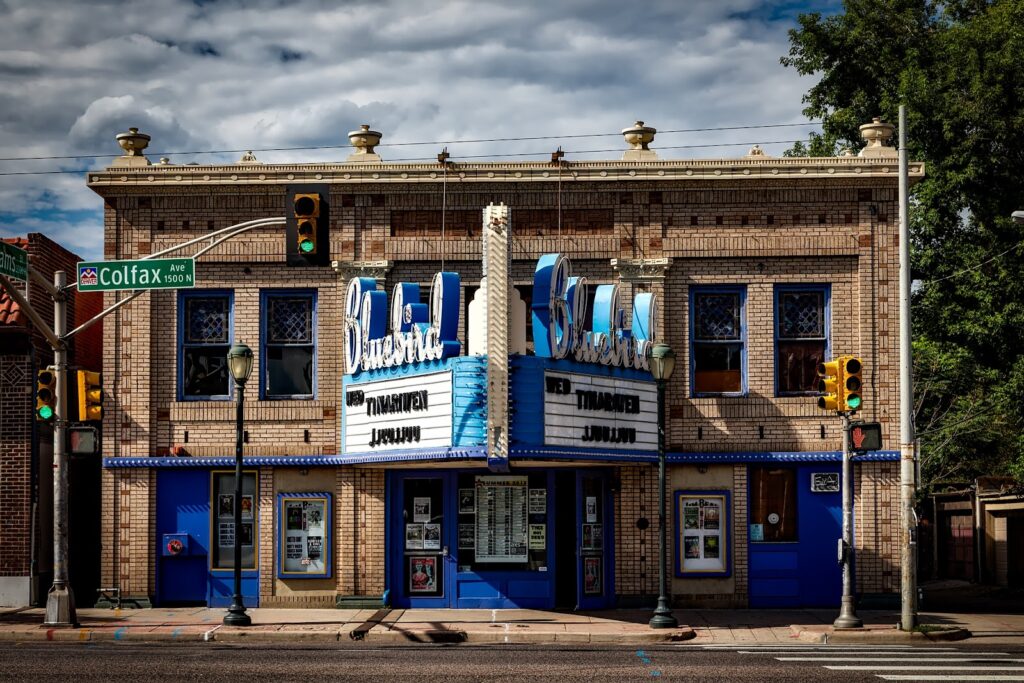
Located in Colorado, it spans the longest continuous commercial street in the country. It stretches about 26.5 miles, running east and west of the Denver metropolitan area.
It used to serve as a major highway in Colorado before the current highway system was established.
Colorado is full of surprises beyond the ski resorts and mountain photos. From conspiracy theories at the airport to festivals celebrating frozen bodies, from massive blue bears to real dinosaur footprints, the state offers weird and wonderful experiences you won’t find anywhere else. Whether you’re into outdoor adventure, quirky roadside attractions, or just genuinely interesting historical facts, Colorado delivers.
Need a Ride?
Book Sam's premium car for hire service for reliable transportation in Denver.
Book Your RideOr call: (720) 900-5430