What's weird about Colorado? The state has bizarre water laws (collecting rainwater was illegal until recently), wildlife roaming through cities (elk block traffic), a demon horse at the airport that killed its creator, a restaurant with indoor cliff divers (Casa Bonita), and weather that changes four seasons in one day. Colorado runs on its own kind of normal.
Colorado looks normal on a map. Mountains, ski resorts, craft beer—standard stuff. But spend time here and you'll find weird experiences you can't get anywhere else. Soak in hot springs during blizzards. Watch cliff divers at a restaurant. Dodge elk on your morning commute. This state runs on a different kind of normal.
This guide covers the truly unusual things about Colorado—both the weird stuff to actually do and the quirks that make visitors pause and ask "wait, is that normal here?" Spoiler: in Colorado, it usually is.
Quick List: Weirdest Things About Colorado
2. Wildlife Treats Cities Like Their Own Yard
In most states, seeing a deer is special. In Colorado, you might wait for a herd of elk to cross the road during your morning drive. Bears walk through suburbs looking for trash. Mountain lions show up in downtown Boulder. This isn't rare—it's just how things work.
Animals that surprise visitors:
- Elk: Herds of 50+ block traffic in Estes Park and mountain towns. They have right of way. Honking does nothing.
- Bears: Black bears treat garbage like a buffet. Many towns require bear-proof trash cans by law.
- Moose: More common now and very mean. They attack more people than bears do.
- Prairie dogs: Whole cities exist under suburban lawns and parks.
- Rattlesnakes: Found on most hiking trails. Locals learn the rattle sound fast.
The state runs constant campaigns to teach newcomers the rules. Don't go near wildlife. Don't feed them. Don't leave food out. The animals were here first, and Colorado takes their side.
3. You Can't Collect Rainwater (Well, Sort Of)
Colorado has some of the strangest water laws around. For years, catching rain in a barrel was against the law. The reason? Water rights set up in the 1800s. Every drop of rain is legally claimed by someone downstream—farmers, cities, other states. Taking it was theft.
The law has loosened a bit. Now you can collect up to 110 gallons in two rain barrels for outdoor use. But the basic idea stays: you don't own the water that falls on your land. It belongs to a complex system of rights from mining and farming days.
This goes for rivers too. You can't take water from a stream on your own land without a water right. People have been charged for building small ponds. The state takes water very seriously because farms and other states depend on it.
4. Green Chile Goes on Everything
New Mexico gets credit for green chile, but Colorado's love for it is just as strong. The twist: Coloradans put green chile on things that seem wrong until you try them. Pizza. Burgers. Mac and cheese. Eggs. Ice cream (yes, really). Pueblo chile has a cult following.
Every August and September, the smell of roasting chiles fills parking lots across the state. Stores set up big spinning roasters. People buy 20-40 pounds, roast them, peel them, and freeze them for the year. Newcomers find this strange, then join in.
The debates get heated:
- Pueblo vs. Hatch: Colorado says Pueblo chiles beat New Mexico's Hatch type. This fight never ends.
- Green vs. red: Green is the default. Ordering red marks you as an outsider.
- Smothered vs. on the side: Real fans smother everything. On the side is for tourists.
Any diner in Colorado has "green chile" on the menu more than any other item. Breakfast burritos smothered in green chile are basically the state food.
5. The State Is a Perfect Rectangle (For No Good Reason)
Look at Colorado on a map. It's a near-perfect rectangle—one of only three rectangular states. This seems planned but wasn't really done for any good reason.
When Congress set up Colorado Territory in 1861, they just drew straight lines along latitude and longitude markers. No thought about rivers, mountain ranges, tribal lands, or any natural borders. The 37th and 41st parallels form the top and bottom. That's it.
This creates some odd situations. The Four Corners spot (where four states meet) exists only because of these random lines. Towns split by the border have different laws on different streets. Water from the same river goes to totally different states based on made-up lines.
Fun fact: Colorado isn't actually a perfect rectangle. Survey errors from the 1800s made the borders wobble. The state has 697 sides, not 4. But it looks like a rectangle, and that's weird enough.
6. Altitude Affects Everything (And Nobody Warns You)
Denver sits at 5,280 feet—one mile high. Mountain towns reach 9,000-11,000 feet. This changes how your body works, how food cooks, and how alcohol hits. Visitors often learn the hard way.
What altitude does to you:
- Dry out faster: You lose water just by breathing. Most visitors are dried out and don't know it.
- Alcohol hits harder: Two beers up here feel like four at sea level.
- Cooking changes: Water boils at lower temps. Recipes need tweaks. Baking is really hard.
- Sun burns faster: Less air means more UV rays. You burn even on cloudy days.
- Exercise is harder: Less oxygen means cardio is tough. Fit visitors struggle on easy hikes.
Altitude sickness is real. Headaches, nausea, fatigue, and trouble breathing hit many visitors for the first 24-48 hours. The fix: drink tons of water, go easy on booze, and don't plan hard hikes your first day.
7. Casa Bonita Is a Real Restaurant
South Park made Casa Bonita famous, but the place actually exists. And it's exactly as weird as the show made it—maybe weirder. Located in Lakewood, Casa Bonita is less a restaurant and more a fever dream with food.
What you'll find inside:
- Cliff divers: People dive into a pool from a 30-foot indoor waterfall. While you eat.
- Cave tunnels: Dark passages and spooky effects all through the building.
- Random shows: Gorillas, gunfights, and bands appear out of nowhere.
- An arcade: Because why not add games to the chaos.
The food used to be terrible—a running joke for decades. But in 2022, the South Park guys (Trey Parker and Matt Stone) bought the place and fixed it up. The new version opened in 2024 with actually good food, plus all the weird stuff stayed. Getting a table is hard now.
8. Hiking Has Strict Unwritten Rules
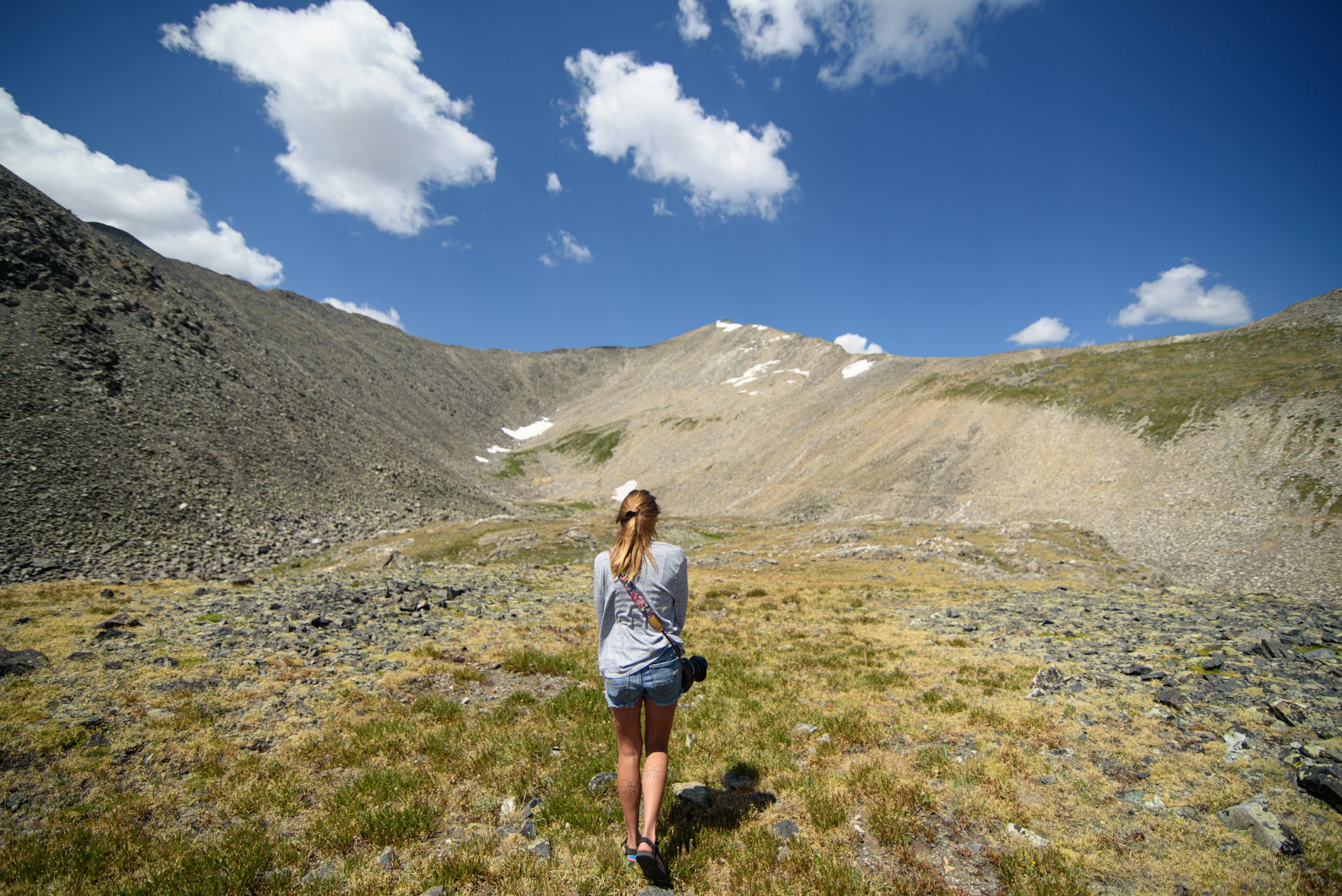
Colorado takes hiking seriously. Not just as fun, but as culture. That culture has rules nobody teaches but everyone enforces through looks and judgment.
The unwritten rules:
- Uphill goes first. People going down step aside. Always.
- Pack out everything. Even fruit peels and food bits. "It breaks down" doesn't count.
- Leash your dog. Unless signs say otherwise. "He's friendly" isn't an excuse.
- No speakers. Use headphones or enjoy quiet. Music on trails gets serious glares.
- Say hello. A simple "hi" or nod is expected. Ignoring people is rude.
- Start early. Afternoon storms are risky. Hit summits by noon, get down early.
Fourteener culture (climbing peaks over 14,000 feet) has even more rules. Don't shortcut trails. Don't throw rocks. Don't rely on phones for maps. The community watches itself closely.
9. The Dress Code Is "Whatever You Wore Hiking"
Colorado might be the most casual state in America. Not just casual—hiking-gear casual. You'll see trail boots and puffy jackets at nice restaurants. Yoga pants at business meetings. Fleece vests at weddings. Nobody cares.
This has practical roots. People really do go from a morning hike to lunch to an evening event. Carrying extra outfits isn't easy. So the rule became: dress for your most active part of the day, wear that everywhere.
This creates some funny scenes:
- Fine dining with half the room in outdoor gear
- Business events where sneakers beat dress shoes
- Weddings with "no fancy clothes" dress codes
- Real estate agents showing nice homes in trail shoes
Visitors from the East Coast often feel too dressed up. That suit you packed? Probably not needed. Colorado runs on a different style wavelength where "trying too hard" is the only real mistake.
10. Hot Springs Are Everywhere (And People Soak Year-Round)
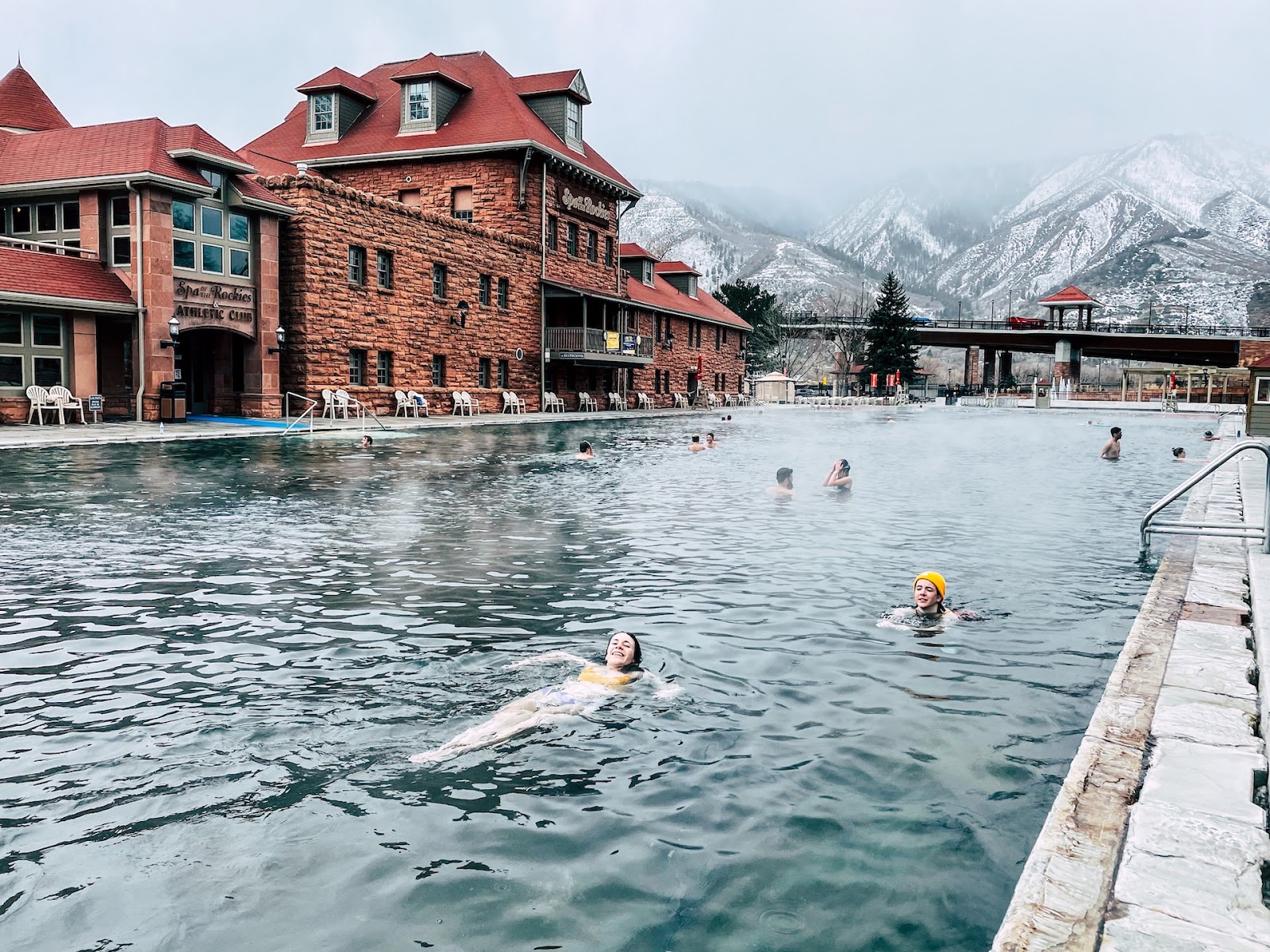
Colorado has more natural hot springs than almost any state. They range from fancy resorts to wild pools you have to hike to find. The weird part: people use them all the time, even in blizzards. Sitting in 104-degree water while snow falls on your head is a classic Colorado thing.
Hot springs culture has quirks:
- Clothing optional: Some wild springs allow nudity. Look it up before you go.
- Rules: No soap, no food in the water, keep quiet, don't crowd.
- Smell: The sulfur stink is strong at some spots. You'll reek after.
- Safety: Hot water plus altitude plus booze is risky. People pass out.
Popular spots like Strawberry Park near Steamboat have become major draws. But dozens of hidden springs wait in the mountains for those willing to hike.
11. Craft Beer Is Basically a Religion
Colorado has more craft breweries per person than almost any state. But it goes beyond just having lots of breweries—beer here is like a faith. People plan trips around brewery tours. First dates happen at taprooms. Deals close over IPAs. You can't escape it.
The Great American Beer Festival in Denver is the biggest beer contest in the country. Tickets sell out in minutes. Locals treat it like a trip to Mecca. Even the Coors tour in Golden draws crowds, though Coors isn't craft.
What makes Colorado beer culture odd:
- Dogs welcome: Most taprooms allow good dogs. Some have dog menus.
- Kids too: Many breweries work as family spots.
- Growler loyalty: People keep favorite growlers like wine folks keep decanters.
- Brewery fights: Saying the wrong thing about someone's favorite brewery starts arguments.
IPAs rule Colorado taps because altitude changes taste. Hops taste less bitter up high, so brewers add more. Visitors often find Colorado IPAs too strong until their taste buds adjust.
12. The "Native" Bumper Sticker Is a Thing
Drive around Colorado and you'll see bumper stickers that just say "NATIVE" in a certain font. These mean the driver was born here—not a transplant. It's a flex, a status symbol, and a sore spot all at once.
Colorado has grown fast. Millions moved here in recent decades, mostly from California and Texas. People born here watched prices spike and their state change. The sticker is part pride, part complaint.
The debate gets hot:
- Pro-sticker: "We were here first, we remember cheap Denver, respect the OGs."
- Anti-sticker: "It's gatekeeping, everyone belongs, being born somewhere isn't special."
- The irony: True "natives" were Indigenous peoples pushed out—critics point this out.
Spin-off stickers exist: "I'm not a native but I got here fast" and "Semi-Native" for people who moved as kids. Very Colorado.
13. Old Liquor Laws Create Weird Shopping
Colorado just relaxed its liquor laws, but the effects still show. Until 2019, grocery stores could only sell 3.2% beer—weaker than normal. For real beer, you needed a liquor store. This made a strange two-track shopping system that partly survives.
Odd rules that linger:
- Closed on Christmas. And until recently, Sundays too. Plan ahead.
- One license per chain: Until recently, stores like Trader Joe's could sell alcohol at just one Colorado spot.
- Gas stations vary: Some sell real beer, some don't, based on when they got licensed.
- Bar hours: Last call at 2am, no exceptions. Late-night life doesn't exist.
The laws trace back to Prohibition-era values and have slowly loosened. But alcohol shopping in Colorado still confuses visitors expecting simple rules.
14. Blucifer Guards the Airport
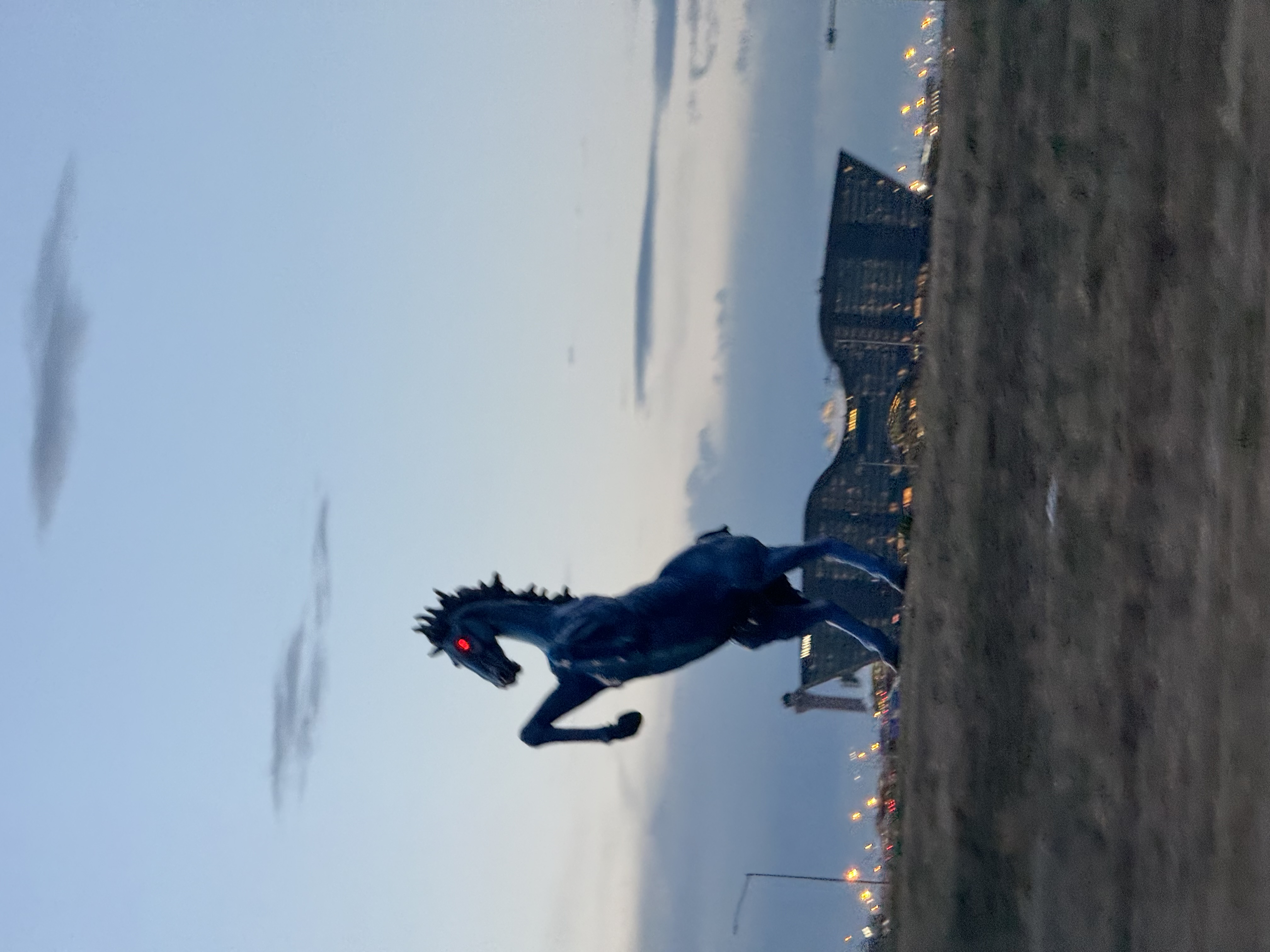
Denver's airport has a giant blue horse statue with glowing red eyes. Locals call it Blucifer. The statue killed its creator—artist Luis Jiménez died when a piece fell on him while building it. This has fed airport conspiracy theories for decades.
The theories go deep:
- Secret bunkers: Rumors of hidden tunnels and government bases under the airport.
- Hidden symbols: People find secret meanings in the airport's murals and design.
- End-times base: Theories that DIA will be a command center during the apocalypse.
The airport plays along. They put gargoyles in construction zones with signs like "Welcome to DIA." The gift shop sells Blucifer stuff. Security gives joking tours of the "evidence." It's Denver's weirdest tourist attraction.
15. 300 Days of Sunshine (But Watch Your Skin)
Colorado brags about 300+ days of sunshine per year. This is true and draws people fleeing gray climates. What the ads don't say: that sunshine plus altitude means intense UV rays.
Colorado has one of the highest skin cancer rates around. The sun really is stronger—less air filters UV rays at altitude. Snow reflects extra rays. Dry air means few clouds. People burn in weather they'd ignore at sea level.
How locals deal with it:
- Sunscreen always: Even in winter, especially when skiing.
- Sunglasses required: The brightness really hurts your eyes.
- Skin checks: Regular doctor visits for skin cancer are normal here.
- Water obsession: Sun and dry air drain you constantly.
The sunshine is great—really does lift your mood if you're from somewhere gray. But it takes upkeep that surprises many newcomers.
Frequently Asked Questions
What is the weirdest thing about Colorado?
The weather wins for daily weirdness. Four seasons in one day—shorts in the morning, blizzard by dinner—happens often. The water laws (making rain barrels tricky) win for obscure weirdness. Blucifer the airport horse wins for visual weirdness.
What are unusual things to do in Colorado?
Soak in natural hot springs during a snowstorm. Eat at Casa Bonita while watching cliff divers. Drive the "loneliest road" through vast empty plains. Hunt for alien sightings in the San Luis Valley. Tube down Boulder Creek in summer. Climb a fourteener before sunrise. Visit the UFO Watchtower near Hooper. Explore the Stanley Hotel that inspired The Shining.
What are some weird facts about Denver?
Denver's airport has a demonic blue horse that killed its creator. The city sits exactly one mile high (5,280 feet). Denver has more sunny days than San Diego. The 13th step of the State Capitol is exactly one mile above sea level. Colfax Avenue is the longest commercial street in America. Denver was once called the "Wall Street of the West" for its mining wealth.
What is Colorado notorious for?
Colorado is notorious for unpredictable weather, craft beer obsession, outdoor activity culture, legal marijuana (since 2012), the "Native" bumper sticker debate, and the Denver airport conspiracy theories. It's also known for altitude sickness catching visitors off guard, aggressive drivers on I-70 to the mountains, and very casual dress codes even at nice events.
What does Colorado have that no other state has?
Colorado is the only state with its entire area above 1,000 meters (3,281 feet). It has the highest average elevation of any state. It's home to the highest paved road in North America (Mount Evans). Colorado has more fourteeners (peaks over 14,000 feet) than any other state—58 total. The Royal Gorge Bridge was the world's highest suspension bridge for decades.
What is the #1 attraction in Colorado?
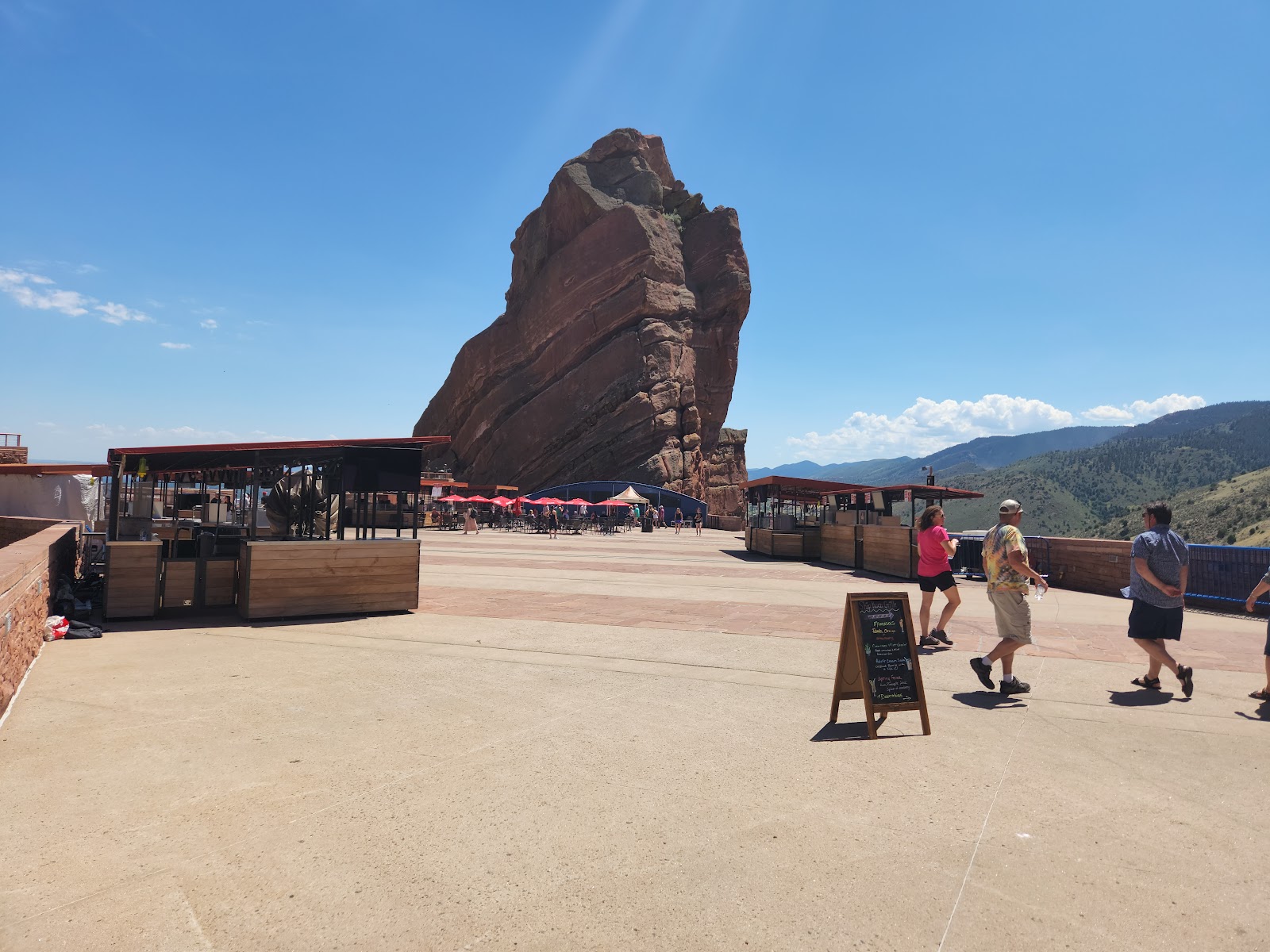
Rocky Mountain National Park draws over 4.5 million visitors yearly—the most of any Colorado attraction. In Denver, Red Rocks Amphitheatre and the Denver Art Museum compete for top spot. Garden of the Gods in Colorado Springs is free and draws millions. Mesa Verde National Park offers unique cliff dwellings found nowhere else in North America.
What is the scariest pass in Colorado?
Black Bear Pass near Telluride terrifies even experienced drivers. The road has no guardrails, tight switchbacks, and sheer drops of hundreds of feet. Only high-clearance 4x4 vehicles should attempt it. Other scary passes include Ophir Pass, Imogene Pass, and Engineer Pass. For paved roads, Loveland Pass gets intense in winter.
What is the deadliest highway in Colorado?
I-25 between Denver and Colorado Springs has the highest crash and fatality rates in the state. I-70 through the mountains sees frequent accidents, especially in winter and during ski traffic. Highway 285 and Highway 24 also rank high for serious accidents. The combination of speed, weather, and mountain terrain makes Colorado roads demanding.
What is the loneliest road in Colorado?
Highway 40 through Moffat County in northwest Colorado is often called the loneliest. You can drive for an hour without seeing another car. Highway 138 through the eastern plains is similarly empty. The San Luis Valley roads feel remote and strange—it's UFO country with vast open spaces and few towns.
What is the slang name for Denver?
Denver is called the "Mile High City" because it sits at exactly 5,280 feet elevation. Locals also call it "The Queen City of the Plains" (historic nickname) or just "Denver" with no nickname needed. LoDo refers to Lower Downtown. RiNo means River North Art District. Five Points is the historic Black neighborhood.
Is it safe to walk around Denver at night?
Most Denver neighborhoods are fine at night with normal urban awareness. LoDo, RiNo, Cherry Creek, and the Highlands are generally safe. Downtown near 16th Street Mall has more issues with homelessness and petty crime—stay aware but don't be paranoid. Avoid East Colfax late at night. Like any city, stick to well-lit areas and busy streets.
What salary is needed to live comfortably in Denver?
Most estimates put "comfortable" living in Denver at $75,000-$95,000 for a single person, or $130,000+ for a family. Rent averages $1,800-$2,200 for a one-bedroom in decent areas. Home prices average over $550,000. Denver has gotten expensive fast—wages haven't kept up with housing costs for many residents.
What to watch out for in Colorado?
Altitude sickness hits many visitors—drink lots of water, go easy on alcohol, don't overdo it day one. Sun is intense at elevation—wear sunscreen even in winter. Weather changes fast—bring layers always. Wildlife is real—don't approach elk, moose, or bears. Mountain driving requires caution—know chain laws, watch for ice. I-70 traffic to ski areas is brutal on weekends.
What does Colorado rank #1 in?
Colorado ranks #1 in craft breweries per capita, highest mean elevation, most fourteeners (14,000+ foot peaks), and outdoor recreation participation. It consistently ranks top 5 for fitness, health, and education. Less proudly, it ranks high for cost of living increases, traffic congestion growth, and property crime in some metro areas.
What is the biggest predator in Colorado?
Mountain lions (also called cougars or pumas) are Colorado's biggest predators, weighing up to 150 pounds. Black bears are larger but technically omnivores. Attacks on humans are rare for both—maybe 2-3 mountain lion incidents per year statewide. Moose actually injure more people than either predator. Wolves are returning but remain very rare.
Where do most millionaires live in Colorado?
Cherry Hills Village south of Denver has the highest concentration of wealth—average home prices exceed $3 million. Aspen, Vail, and Telluride attract ultra-wealthy second-home owners. In Denver, Cherry Creek, Hilltop, and Washington Park have many millionaire residents. Boulder has significant wealth tied to tech entrepreneurs and outdoor industry executives.
What is Colorado's catchphrase?
The official state motto is "Nil Sine Numine" (Latin for "Nothing Without Providence"). Unofficially, "Don't like the weather? Wait fifteen minutes" captures Colorado better. Tourism uses "Come to Life" as a slogan. Locals prefer sayings like "Colorado Native" or jokes about Californians moving here.
Why is Colorado weather so random?
Location. Colorado sits where weather systems crash—wet air from the Gulf, cold air from Canada, dry air from deserts. The mountains make it worse with micro-climates. Systems can change fast as they cross peaks. Forecasters struggle to be right more than a few hours out.
Is it illegal to collect rainwater in Colorado?
Mostly no, with limits. Colorado now allows up to 110 gallons in two rain barrels for outdoor use. The old total ban came from 1800s water rights—every drop was claimed by users downstream. Rules have eased, but you still don't "own" rain on your land.
Why do Coloradans put green chile on everything?
Being close to New Mexico plus local Pueblo chile growing. The Pueblo type has a cult following. August and September bring roasting season when parking lots smell like chiles. Smothered breakfast burritos spread to pizza, burgers, mac and cheese—basically all food.
How does altitude affect visitors?
Denver is 5,280 feet; mountain towns hit 9,000-11,000 feet. Effects: faster drying out, alcohol hitting harder, altitude sickness (headaches, nausea, fatigue), stronger sun, harder workouts. Most visitors need 24-48 hours to adjust. Lots of water helps.
What's the deal with Denver airport conspiracies?
Denver's airport has sparked theories since 1995. The blue horse killed its maker. Murals show dark scenes. The airport sits on empty plains for no clear reason. Theories range from bunkers to Illuminati HQ. The airport now sells merch about the theories.
Is Casa Bonita a real place?
Yes. In Lakewood, Colorado. It has cliff divers, cave tunnels, random shows, and a 30-foot indoor waterfall. South Park made it famous. In 2022, the show's creators bought and fixed it. The food got good, the weird stuff stayed. Tables are hard to book now.
What does the "Native" sticker mean?
It means the driver was born in Colorado, not a transplant. Colorado grew fast with people from California and Texas. The sticker is part pride, part gripe about how the state changed. Some see it as community pride, others as gatekeeping.
The Bottom Line
Colorado's weirdness isn't random. It comes from location (altitude, clashing weather), history (water rights, mining culture), and the specific people drawn to mountain life (outdoor lovers who don't care about dress codes). The quirks aren't bugs—they're features that locals embrace.
Visitors who go with the flow enjoy the strangeness. Layer your clothes. Drink lots of water. Accept that elk have right of way. Put green chile on things you wouldn't expect. The weirdness is the point.