Quick Answer: Which Should You Use?
Rideshares (Uber/Lyft) are faster and more convenient for most trips. Taxis can be cheaper during surge pricing and are readily available at DIA and downtown. Best strategy: Compare both during peak hours - the difference can be $20+.
Denver offers two main options for getting around without a car: rideshares like Uber and Lyft, or traditional taxis. While rideshares dominate the market, taxis still have their place - especially when surge pricing hits or you're at a taxi stand. Here's the complete 2026 breakdown of how they compare.
Rideshare vs Taxi: Side-by-Side Comparison
| Factor | Rideshare (Uber/Lyft) | Denver Taxi |
|---|---|---|
| Pricing | Upfront pricing, but surge during peak times | Metered, consistent pricing |
| Wait Time | 3-8 minutes average | 15-30 minutes (unless at taxi stand) |
| Availability | Widespread, all neighborhoods | Limited outside downtown/DIA |
| App Experience | Full tracking, cashless, ratings | Basic apps, often phone dispatch |
| Vehicle Options | Standard, XL, Comfort, Black | Whatever shows up |
| Payment | Automatic via app | Cash preferred, cards accepted |
| Peak Hours | 2-3x surge pricing | Same metered rate |
| DIA Pickup | Level 5, Island 5 (dedicated area) | Taxi stand, no app needed |
Price Comparison: Surge Pricing vs Metered Fares
Understanding when each option is cheaper can save you real money in Denver.
Rideshare Pricing
Uber and Lyft show you the exact fare before you book - no meter anxiety. However, during high demand (Nuggets games, snowstorms, Saturday nights in LoDo, concert let-outs), surge pricing kicks in. Fares can jump to 2x, 3x, or even higher.
Taxi Pricing
Denver taxis use traditional meters with regulated rates. You won't see the final price until arrival, but rates stay consistent regardless of demand. During peak times when rideshares surge, taxis are often the cheaper option.
Money-Saving Tip: During major events (Broncos games, concerts, New Year's Eve), check both Uber/Lyft AND taxi availability. Surge pricing can make rideshares 2-3x more expensive than a metered cab.
Sample Fare Comparison (Normal vs Surge)
| Route | Rideshare (Normal) | Rideshare (2x Surge) | Taxi |
|---|---|---|---|
| DIA to Downtown | $35-45 | $70-90 | $55-65 |
| LoDo to Cherry Creek | $15-20 | $30-40 | $22-28 |
| Union Station to Ball Arena | $10-15 | $20-30 | $15-20 |
Wait Times & Availability Across Denver
This is where rideshares have a clear advantage for most trips.
Rideshare: Typically 3-8 minute wait times. Drivers are spread throughout the city, including neighborhoods where taxis rarely venture (Park Hill, Stapleton, Highlands).
Taxi: At DIA or Union Station taxi stands, you'll find cars waiting. Calling a cab in Capitol Hill or residential areas? Expect 15-30+ minute waits - if one's available at all.
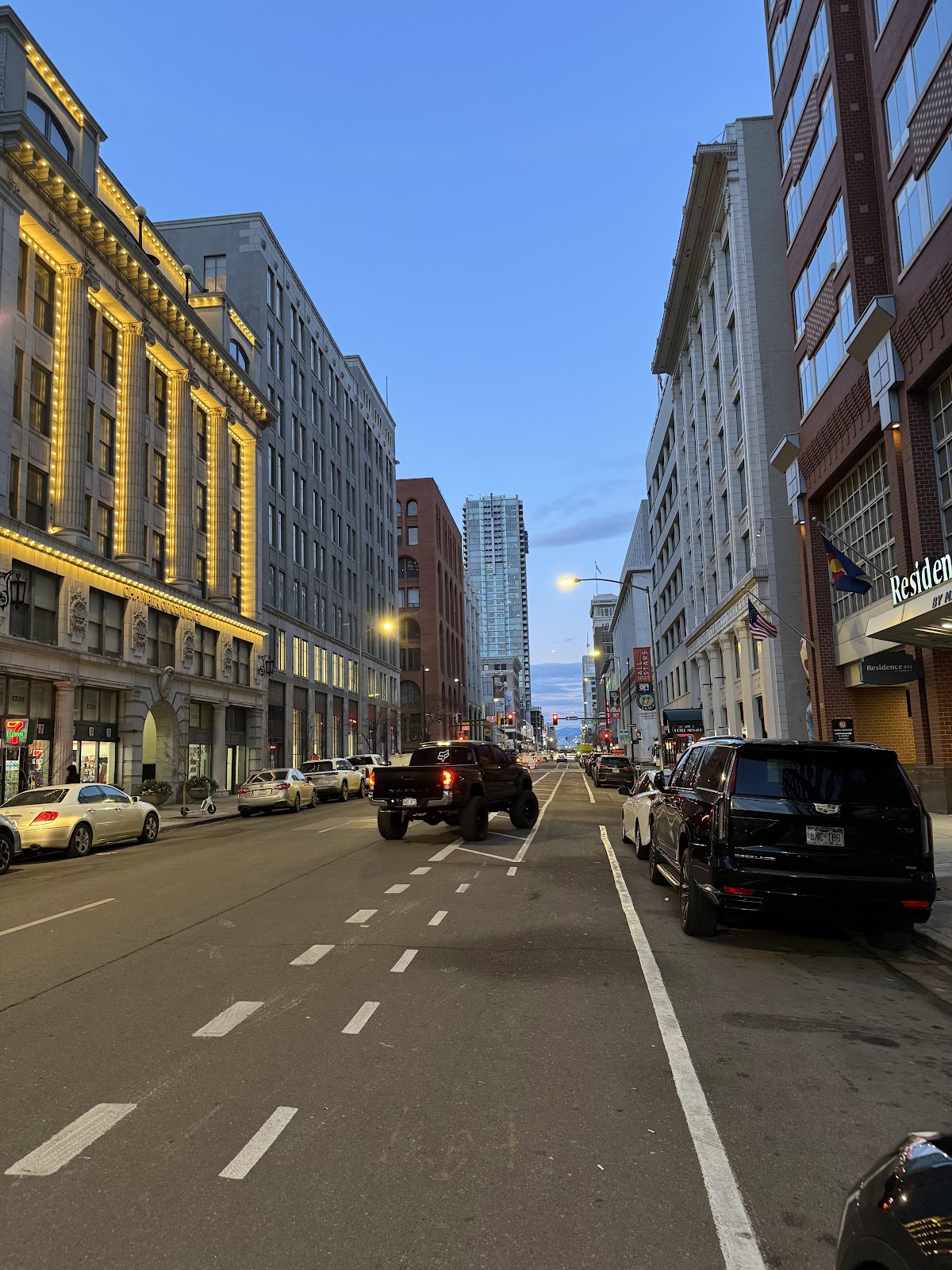
When to Choose Rideshare vs Taxi
Everyday Trips Around Denver
Faster pickup, app tracking, automatic payment. Better for neighborhoods outside downtown.
Late Night in RiNo or LoDo
More drivers available, GPS tracking for safety, no cash needed.
After Major Events (Concerts, Games)
Surge pricing makes rideshares 2-3x more expensive. Taxi meter stays the same.
DIA Arrival (Just Want to Leave)
Taxi stand has cars waiting. No app, no surge, just grab and go.
Need Specific Vehicle (XL, Comfort)
Choose your vehicle type based on group size or comfort preference.
Union Station / Downtown Hotels
Both options readily available. Compare prices on your apps.
App Technology & Booking Experience
Rideshares dominate in the technology department:
- Real-time GPS tracking - see exactly where your driver is
- Driver ratings - check reviews before you ride
- Fare splitting - divide costs with friends automatically
- Trip sharing - send your route to family for safety
- Cashless payment - everything handled in-app
Denver taxi companies have apps, but they're catching up. Many still rely on phone dispatch, which means explaining your location to a dispatcher and hoping the cab arrives when promised. Some accept cards, but cash is often preferred.
Safety: Background Checks & Accountability
Both options have safety measures, but they work differently:
Taxi Safety
- Commercial licensing through the city
- Clearly marked vehicles with medallions
- Immediately recognizable as legitimate
Rideshare Safety
- Background checks on all drivers
- Every ride tracked via GPS
- Driver ratings visible before pickup
- Trip sharing with contacts
Safety First: Before getting in ANY rideshare, verify the license plate matches your app and confirm the driver's name. Share your trip with a friend when riding alone at night.
Accessibility Options in Denver
Both services offer wheelchair-accessible vehicles:
- Uber: UberWAV (Wheelchair Accessible Vehicles)
- Lyft: Lyft Access in select areas
- Taxis: Required to have accessible vehicles available
The challenge with both is that accessible vehicles are fewer in number, so expect longer wait times when requesting one.
Environmental Impact: Which Is Greener?
Rideshares are currently ahead on sustainability:
- Uber: Incentivizes EV drivers, committed to zero-emission by 2030 in major cities
- Lyft: Green Mode option to request hybrid/electric vehicles
- Denver Taxis: Most fleets still run on traditional gas vehicles
You'll increasingly see Teslas and other EVs in the rideshare fleet around Denver.
Frequently Asked Questions
Is Uber or a taxi cheaper from Denver Airport?
During normal hours, Uber/Lyft runs $35-45 to downtown while taxis are $55-65. But during surge pricing (holidays, late nights, bad weather), taxis can be cheaper since they use fixed metered rates.
Can I hail a taxi on the street in Denver?
Street hailing isn't common in Denver like NYC. Your best options are taxi stands at DIA, Union Station, and major hotels, or calling/using a taxi app to request pickup.
Are Denver taxis safe?
Yes. Denver taxi drivers are commercially licensed through the city, vehicles are inspected and clearly marked with medallions. Both taxis and rideshares have good safety records in Denver.
Which is better for getting to Red Rocks?
Rideshares are better for getting TO Red Rocks (more availability in residential areas). After concerts, expect massive surge pricing - consider booking a taxi in advance or waiting 30-60 minutes for surge to drop.
Do Denver taxis take credit cards?
Most do now, but some drivers still prefer cash. If you're planning to pay by card, confirm with the driver before the trip starts to avoid awkwardness at the end.
The Bottom Line: Best Strategy for Denver
Smart Move: Download both Uber/Lyft AND a taxi app (Metro Taxi Denver). During normal hours, rideshares win on speed and convenience. During peak times, compare prices - taxis can save you $20-40 when surge hits.
For everyday trips: Rideshares are faster, easier, and more available throughout Denver's neighborhoods.
For peak times and events: Check both options. Taxis at DIA, Union Station, and downtown hotels are readily available without surge pricing.
For budget travelers: Always compare during high-demand times. The extra minute to check taxi rates can save you real money.