Nothing ruins a night out like opening your rideshare app and seeing a $47 fare for a 3-mile trip. I've been driving Uber and Lyft in Denver for 7 years, and I've learned exactly when surge pricing hits hardest.
Here's how to time your rides to pay normal prices instead of surge prices.
The Quick Rule
Lyft rides are cheapest during off-peak, low-demand hours: early mornings (4am-6am), mid-day (10am-3pm), and late nights after crowds disperse (2am-5am). Avoid rush hours (7-9am, 5-7pm), big events, and weekend nights.
Hour-by-Hour Pricing Guide
Weekday Pricing in Denver
Weekend Pricing (Friday & Saturday)
Events That Cause Massive Surge
Denver has specific events that cause prices to skyrocket. If you're attending any of these, plan your exit strategy in advance.
| Event/Venue | Surge Level | When to Book |
|---|---|---|
| Red Rocks Concerts | 2-4x normal | Before show ends OR wait 45+ min after |
| Broncos Games | 2-3x normal | Leave early (Q3) or wait 30 min |
| Ball Arena (Nuggets/Avalanche) | 1.5-2.5x normal | Wait 20-30 min after game ends |
| LoDo Bar Closing (2am) | 2-4x normal | Leave by 1:30am or wait until 2:45am |
| New Year's Eve | 3-5x normal | Book in advance if possible |
| Snowstorms | 2-3x normal | Wait it out if not urgent |
Red Rocks Warning
Red Rocks is the worst for surge pricing. There's one road in and out, limited drivers willing to go up there, and 9,000+ people all wanting rides at once. Either book before the show ends or be prepared to wait 45-60 minutes for prices to drop. Better yet, arrange a designated driver or use the RTD shuttle.
Strategies to Beat Surge Pricing
1. Check Both Apps
Uber and Lyft don't surge at the same time. One might be 2x while the other is normal. Takes 30 seconds to compare - can save you $20+.
2. Walk a Block or Two
Surge pricing is hyper-local. If you're right outside a venue or bar, walk a few blocks away from the crowd. Prices can drop significantly just by changing your pickup location.
3. Wait 15-20 Minutes
Surge pricing is designed to attract more drivers. Once drivers flood an area, prices drop. If you're not in a rush, waiting a few minutes can save serious money.
4. Use Scheduled Rides
Both apps let you schedule rides in advance. While this doesn't guarantee no surge, it can lock in a reasonable price before demand spikes.
5. Try Lyft's Price Lock
For $2.99/month, Lyft lets you lock in a price for your regular route. You'll always pay your locked price or less.
6. Use Public Transit for Part of Your Trip
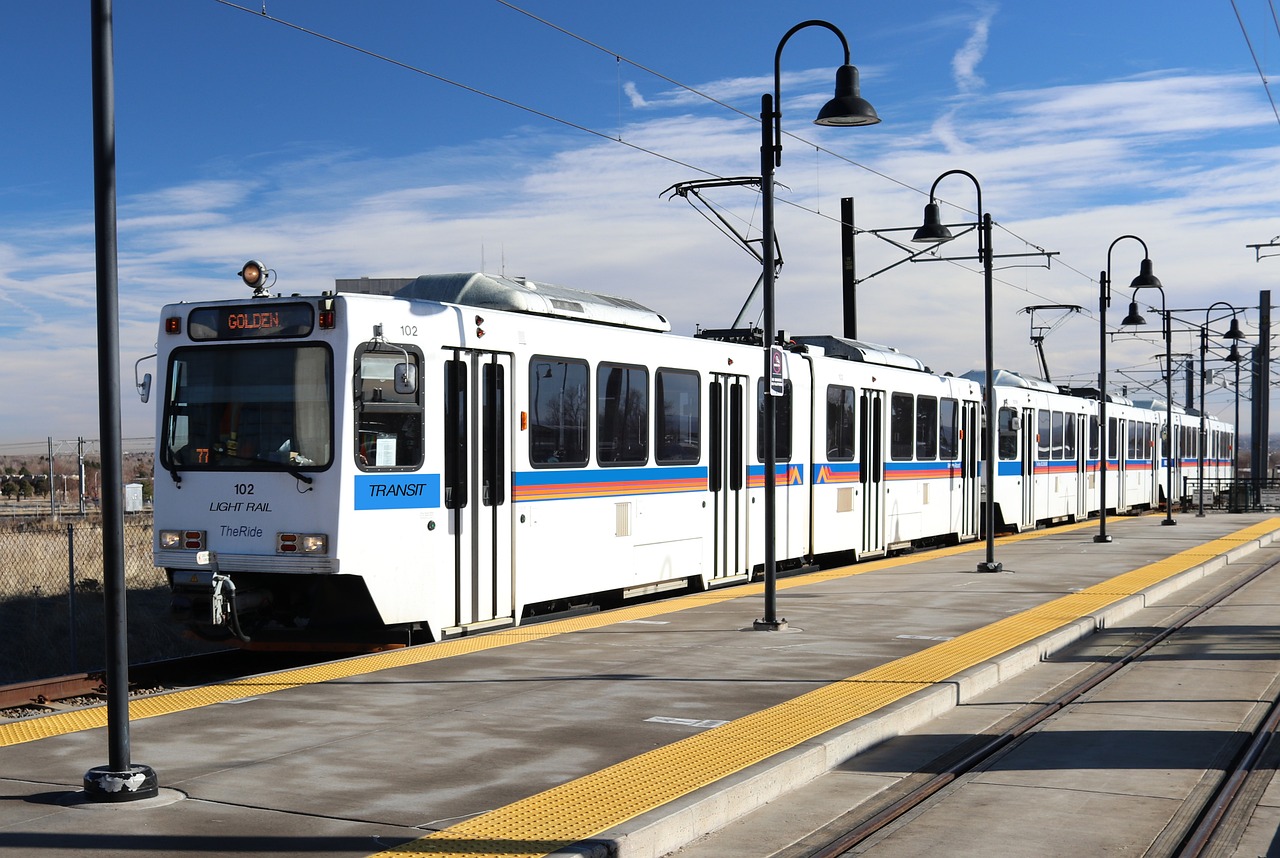
From Red Rocks, take the free shuttle to the RTD station. From DIA, take the A-Line to Union Station ($10.50) then Uber the last mile. Hybrid trips save money.
Lyft's Happy Hour Discounts
Lyft offers automatic "Happy Hour" discounts during low-demand periods. You don't need to do anything - if it's a slow time, the app will show a discounted price.
Look for the Happy Hour notification in the Lyft app, usually appearing during:
- Mid-morning on weekdays (10am-12pm)
- Early afternoon (1pm-3pm)
- Sunday mornings
Airport Surge Patterns
DIA has its own surge patterns separate from downtown:
- Cheapest times: Mid-morning (9am-11am), early afternoon (1pm-4pm)
- Surge times: Friday evening arrivals, Sunday evening returns, holidays
- Pro tip: The A-Line train runs every 15 minutes and costs $10.50. During surge, it's often faster AND cheaper than rideshare.
For complete airport pickup info, see our Denver Airport rideshare guide.
Why Does Surge Pricing Exist?
As a driver, I can tell you surge pricing actually works. When I see 2x surge in an area, I drive there. More drivers go to high-demand areas, which means more rides get fulfilled.
Without surge pricing, you'd just have longer wait times instead of higher prices. During peak demand, you might wait 30+ minutes for any car.
It's frustrating, but it's the tradeoff for a system that usually gets you a ride in minutes.
Quick Reference Summary
Cheapest Times to Ride
- Weekdays: 10am-3pm, after 10pm
- Weekends: Before 4pm
- Any day: Early morning (5am-7am)
Most Expensive Times
- Weekday rush hours: 7-9am, 5-7pm
- Friday/Saturday nights: 10pm-2am
- After major events (concerts, games)
- During snowstorms or bad weather
- Holidays (especially New Year's Eve)
For more tips on getting the best rideshare prices, check out our Uber vs Lyft price comparison and our complete Denver rideshare guide.